Ebola: NCDC Urges Healthcare Facilities to Strengthen Infection Control
The Nigeria Center for Disease Control and Prevention (NCDC) has urged public and private healthcare facilities nationwide to strengthen infection prevention and control (IPC) measures immediately.
By Ojoma Akor
The Nigeria Center for Disease Control and Prevention (NCDC) has urged public and private healthcare facilities nationwide to strengthen infection prevention and control (IPC) measures immediately.
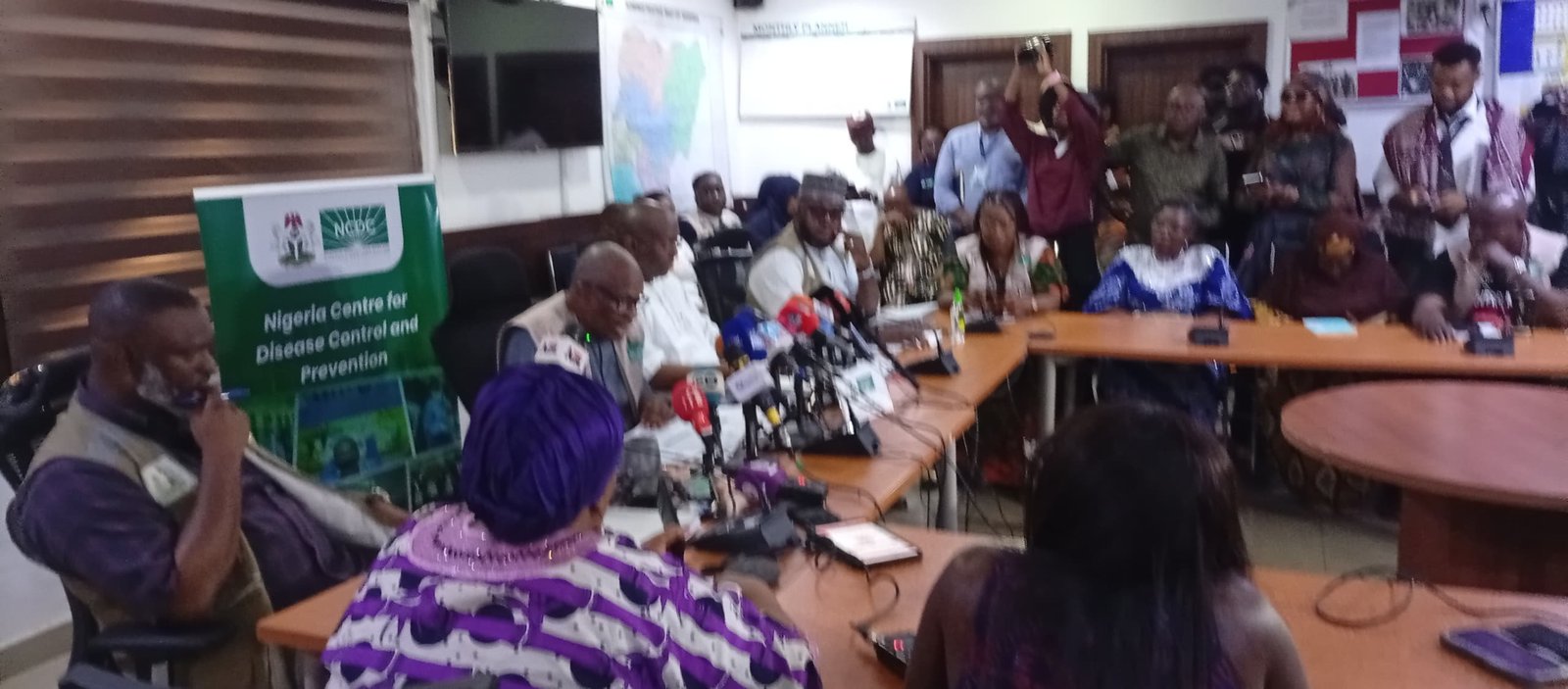
The Director-General of the NCDC, Dr Jide Idris, made the call on Sunday in Abuja during a press briefing on the Ebola outbreak.
He warned that lapses could expose healthcare workers, patients and communities to Ebola infection.
He said that healthcare workers must maintain a high index of suspicion when attending to patients with symptoms compatible with the disease, particularly those with relevant travel histories or possible exposure.
“I want to use this opportunity to call on the leadership of every public and private healthcare facility in Nigeria to review and strengthen their infection prevention and control measures immediately,” Idris said.
He emphasized that hospitals must institute appropriate screening and triage procedures to identify suspected cases early, separate them from other patients, and promptly notify public health authorities.
He said, “Healthcare workers must maintain a high index of suspicion, particularly when attending to patients with compatible symptoms and relevant risk factors.”
Idris stressed that healthcare workers should not wait for laboratory confirmation before implementing appropriate precautions when Ebola is suspected.
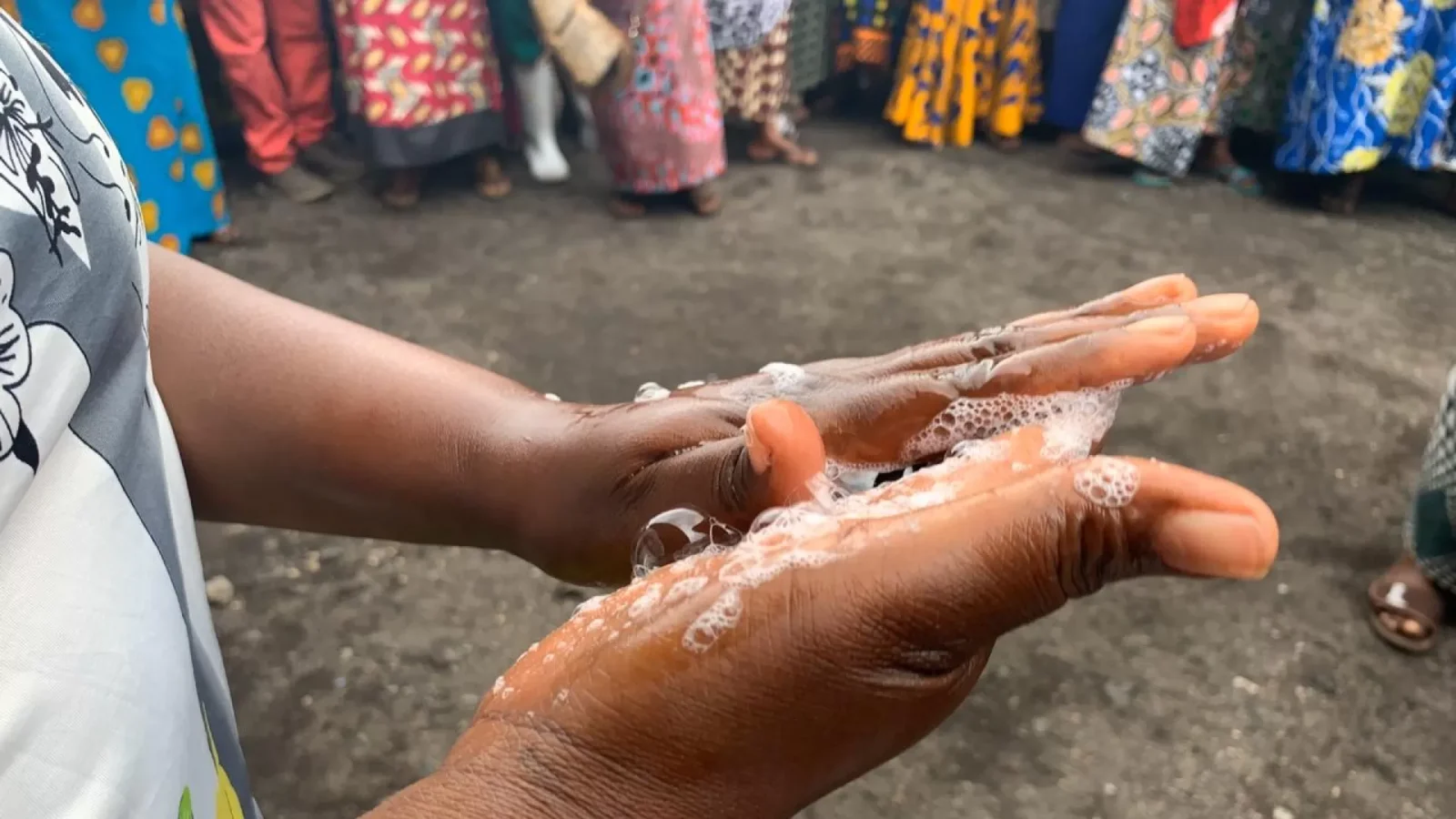
He identified hand hygiene, environmental cleaning, safe injection practices, proper waste management and the correct use of personal protective equipment (PPE) as essential components of infection prevention.
“These are standards that cannot be compromised,” he said, underscoring the need for strict adherence to established safety protocols.
NCDC strengthens healthcare worker protection
The NCDC said it was working with the Federal Capital Territory (FCT) health authorities to strengthen infection prevention measures, screening, triage, and isolation readiness at priority healthcare facilities.
According to Idris, the agency is deploying infection prevention and control professionals to assess facilities, provide practical guidance, and support the implementation of appropriate precautions.
Healthcare workers are also receiving training on the correct use of PPE, including procedures for donning and doffing protective gowns, as well as isolation protocols for suspected cases.
The agency has issued standard operating procedures to relevant facilities to guide their response and is prioritizing the distribution of protective equipment to locations where it is most urgently needed.
Idris clarified that PPE requirements vary by healthcare workers’ duties and level of exposure, stressing the importance of providing appropriate equipment and ensuring staff know how to use it correctly.
He also said the confirmed patient’s residence had been disinfected as part of environmental decontamination measures.
The DG commended the healthcare workers whose vigilance and clinical judgment helped identify the case, describing their role as critical to containing the outbreak.
“Protecting healthcare workers is essential to protecting the communities they serve,” he said.
He added that the agency was drawing on the expertise of clinicians who participated in Nigeria’s successful containment of the 2014 Ebola outbreak to strengthen case management and preparedness.
A designated isolation and treatment center was also being prepared to accommodate additional potential cases.
NCDC warns misinformation could undermine Ebola response
Idris cautioned that rumors and misinformation could undermine efforts to contain the outbreak by creating fear, discouraging people from reporting symptoms and weakening public cooperation with health authorities.
He said, “Information now travels much faster, but unfortunately, so do rumors and misinformation. False information can create fear, discourage people from reporting symptoms and undermine the cooperation essential to stop transmission.”
He urged Nigerians to rely on verified updates from the NCDC, the Federal Ministry of Health and Social Welfare and other recognized public health authorities rather than circulate unverified claims.
The DG also warned against stigmatizing the confirmed patient, people identified as contacts, healthcare workers or communities associated with the outbreak.
He stressed that public cooperation was essential to contact tracing and other containment measures, urging anyone contacted by public health officials to provide accurate information about their movements, contacts and possible symptoms.
Idris clarified that being identified as a contact did not mean that an individual had Ebola but indicated the need for monitoring to detect possible infection early.
He said the response would continue to evolve as new evidence became available, with the government working alongside national and international partners to mobilize the expertise and resources required to contain the outbreak.
Lessons from Nigeria’s 2014 Ebola outbreak
Reflecting on Nigeria’s experience with Ebola in 2014, the NCDC DG said the country had strengthened its public health systems, workforce and outbreak response capacity since the previous outbreak.
He identified early detection, contact tracing, infection prevention and control, coordinated leadership and public trust as key lessons from the experience.
The DG said these capabilities were being deployed in the current response, alongside additional training and preparedness activities across states.
He urged Nigerians to practice regular hand hygiene, avoid direct contact with the body fluids of anyone suspected of having Ebola, cooperate with contact tracing and report possible exposure promptly.
He said the immediate priorities remained identifying and monitoring contacts, protecting healthcare workers, ensuring appropriate clinical care and preventing transmission into the wider community.
The DG reiterated that containing the outbreak would require cooperation beyond government, including from healthcare institutions, communities, professional associations, civil society organizations, the private sector and development partners.
He urged Nigerians to support healthcare workers, follow public health guidance, and reject misinformation as the country intensifies efforts to prevent further transmission.