WAJESHA director wins award for investigation into vehicle air pollution
By Health and Science Africa
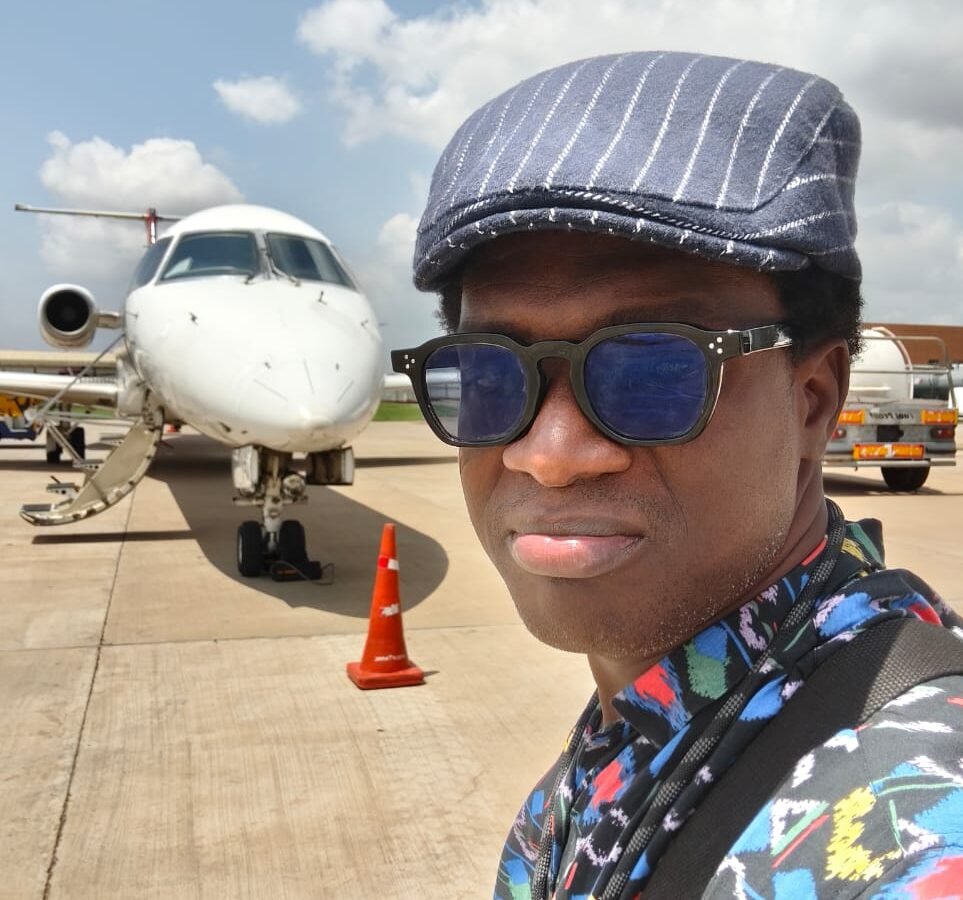
A Ghanaian journalist, Engr Mahmud Mohammed-Nurudeen, has been recognized for environmental, science and climate reporting, including an investigation into missing catalytic converters in vehicles on Ghana’s roads.
A missing component in a car’s exhaust system can affect people who have never sat inside the vehicle. In Ghana, where traders, commuters and schoolchildren spend hours around busy roads, the removal of catalytic converters has raised concerns about exposure to harmful emissions.
Mohammed-Nurudeen investigated the practice in Kumasi, tracing why the devices are removed, the money they can make from their valuable metals, and the risks of releasing untreated exhaust gases into the air.
His work has earned him the Best Environment, Science, and Climate Reporter award at the Ghana Journalists Association (GJA) Ashanti Regional Media Excellence Awards, held on October 24, 2026.
Mohammed-Nurudeen is the Director of the West African Journalists for Environment, Science, Health and Agriculture (WAJESHA), a regional journalism network focused on reporting issues affecting communities across West Africa.
The missing part behind vehicle emissions
His investigation, published by MyJoyOnline on December 21, 2025, was titled “Experts say missing engine part in most Ghanaian vehicles polluting air, sickening people.”
It examined the removal of catalytic converters, which use precious metals to convert harmful substances in vehicle exhaust into less harmful emissions.
At Suame Magazine, Kumasi’s major automobile repair center, the journalist spoke to mechanics who described how some motorists request the removal of the devices. Others may discover that their converters have been taken without their knowledge.
Cost is one reason drivers may avoid replacing a faulty converter. The metals inside the devices also make them attractive to thieves and scrap-market buyers.
A senior automobile engineering lecturer at the Kwame Nkrumah University of Science and Technology (KNUST), Dr Godwin Kafui Ayetor, explained the technical implications of removing the components.
The investigation challenged the belief among some motorists that removing a catalytic converter improves vehicle performance or reduces maintenance costs. A faulty engine, for example, may require proper diagnosis rather than removing an emissions-control device.
By examining the practice at automobile workshops and speaking with engineering experts, Mohammed-Nurudeen explored how decisions made during vehicle repairs can affect air quality beyond the roadside.
Kumasi residents exposed to exhaust fumes.
The report also examined the experiences of people who work and study in heavily trafficked areas.
At Kumasi Central Market, traders described their exposure to vehicle fumes during their daily activities. Many spend long hours near roads where cars, buses, and other vehicles move through crowded commercial areas.
The investigation drew on research by a team from KNUST’s Department of Meteorology and Climate Science that monitored air pollution at 14 schools in Kumasi between 2022 and 2024.
Dr Edmund Yamba, who led the study, told the journalist that most of the monitored schools recorded pollution levels above safe limits. Schools near busy roads raised particular concerns.
These findings raised questions about the exposure of children and other people who spend much of their day in areas affected by traffic emissions.
The story also examined Ghana’s air-pollution regulatory framework, including the Environmental Protection Act, 2025, and the need for effective vehicle-emission testing.
Selina Amoah, Head of the Environmental Quality Unit at the Environmental Protection Authority, discussed regulatory measures intended to control emissions from vehicles and other pollution sources.
Recognition for environmental reporting
The GJA Ashanti Regional Media Excellence Awards recognize journalism produced during the 2025 calendar year. The 2025 awards were presented in 2026 under the theme, “Celebrating Excellence, Championing Credibility: Journalism in the Age of AI.”
Mohammed-Nurudeen’s award recognizes his work in a field that requires journalists to interpret scientific findings, scrutinize environmental policies, and explain technical issues to the public.
Across Ghana, environmental reporters cover challenges including air pollution, illegal mining, forest destruction, waste management, and the effects of climate change on livelihoods.
Such reporting can help citizens understand the evidence behind environmental concerns and examine whether authorities are taking effective action.
The catalytic-converter investigation brought together expert analysis, accounts from mechanics and the experiences of people exposed to roadside pollution. It also examined the role of regulation in ensuring that vehicles meet appropriate emissions standards.
Building a regional network for specialist journalism
Through WAJESHA, Mohammed-Nurudeen works to strengthen journalism covering the environment, science, health and agriculture across West Africa.
The network seeks to connect journalists with the knowledge, resources and professional relationships needed to report accurately on subjects that often require specialized understanding.
These reporting areas are closely linked to people’s lives across the region. Environmental damage can threaten farming and water supplies, while climate pressures affect food production, livelihoods and community resilience. Scientific reporting helps explain the evidence behind these changes and the measures available to address them.
His award comes as Ghana continues to grapple with air pollution and other environmental pressures that require sustained public attention.
For drivers and mechanics, the catalytic-converter investigation raises questions about vehicle maintenance and the consequences of removing emissions-control equipment. For regulators, it points to the importance of effective testing and enforcement. For people who live and work near busy roads, it highlights the air quality they breathe.
Mohammed-Nurudeen’s recognition spotlights this work and the role of specialist journalism in examining environmental problems that affect everyday life.