Cancer: FMC Plans Radiotherapy Services to Boost Care in FCT, others
By Ojoma Akor
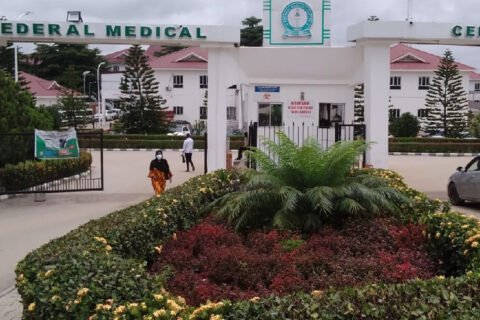
The Federal Medical Center (FMC), Abuja, has begun discussions with the Federal Ministry of Health and Social Welfare to establish radiotherapy services at the hospital, expanding access to cancer treatment in the Federal Capital Territory (FCT) and neighboring states.
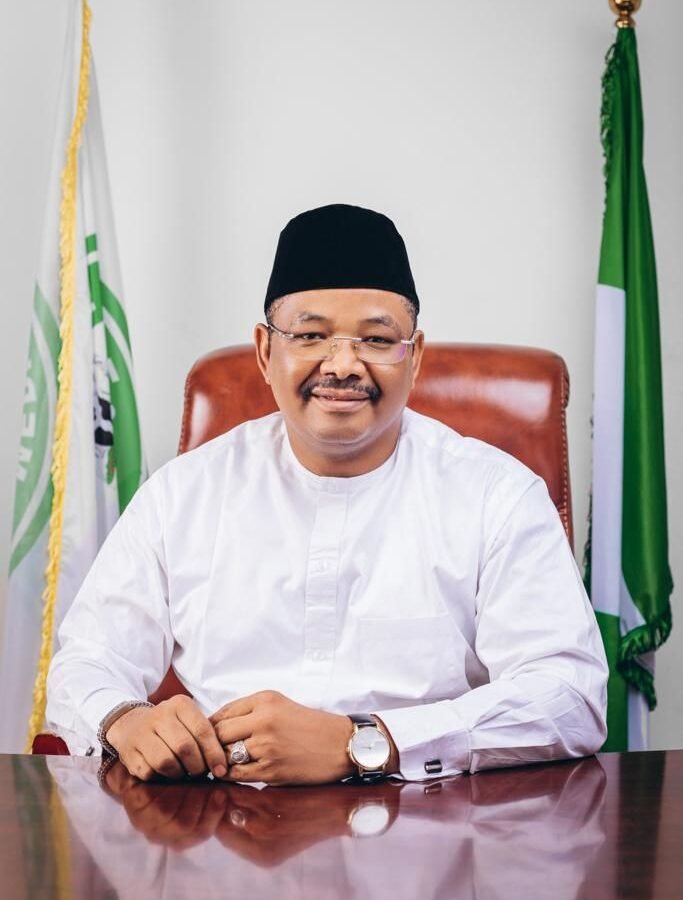
The Chief Medical Director (CMD), Prof. Saad Aliyu Ahmed, disclosed this while responding to journalists’ questions about the hospital’s capacity to accommodate more cancer patients amid reported disruptions in other health facilities.
He said FMC was working to strengthen its oncology services and was exploring the possibility of introducing radiotherapy to complement existing cancer treatment facilities in the nation’s capital.
“We are also in talks with the Federal Ministry of Health and Social Welfare to see how we can equally have radiotherapy services in this facility to complement whatever the National Hospital Abuja is doing,” he said.
According to him, expanding cancer treatment services at FMC Jabi is particularly important because of its strategic location in Abuja and the need to support the country’s response to growing demand for cancer care.
The proposed radiotherapy service at FMC, if realized, would provide an additional treatment option for cancer patients in Abuja and neighboring states, particularly those requiring radiation treatment as part of their cancer management.
Radiotherapy is an important component of cancer treatment and is used to destroy cancer cells, shrink tumors, and, in some cases, relieve symptoms in patients with advanced disease.
Ahmed explained that although the hospital’s oncology department was relatively new, it had made progress in establishing the necessary infrastructure and specialist services for cancer patients.
He said the department currently has two consultants and other supporting healthcare professionals, along with dedicated clinic space and chemotherapy suites.
The CMD said the hospital has also adopted a multidisciplinary approach to cancer management, bringing together specialists from different departments to determine the most appropriate treatment for patients jointly.
He explained that the multidisciplinary team comprises oncologists, pathologists, gynecologists, nurses, pharmacists and medical social welfare professionals, among others.
“Whatever cancer case you come with, if it’s being treated in this facility, that team will have to sit. All of them must agree,” he said.
Ahmed added that the hospital operates a patient navigation system designed to guide cancer patients through the various stages of care and minimize the difficulties of moving between departments to access services.
He said the system ensures that patients receive assistance throughout their treatment journey rather than being left to navigate the hospital independently.
Beyond treatment, the CMD said FMC Abuja had established a preventive oncology clinic, supported by the Nigerian Institute for Cancer Research and Treatment (NICRAT), to strengthen early detection and prevention.
According to him, the clinic provides screening services to identify cancer and precancerous conditions early, when treatment is likely to be less complicated and less expensive.
“We want to catch it at a very early stage. So, they come for screenings,” he said.
Ahmed explained that some precancerous conditions require relatively simple interventions, which could prevent their progression into full-blown cancer.
He also noted that the Federal Government had commissioned about six additional cancer centers across the country to help address the challenges patients face in accessing cancer treatment.
However, he maintained that more investment in specialized services was necessary to reduce pressure on existing facilities and improve access to comprehensive cancer care.