Eritrea Becomes 11th African Country to Eliminate Trachoma
By Health and Science Africa
Eritrea has eliminated trachoma as a public health problem, becoming the 11th country in the World Health Organization (WHO) African Region and the 34th globally to achieve the milestone.
The WHO announced the validation on November 16, 2026, describing the achievement as a major public health breakthrough following more than two decades of sustained interventions by the Eritrean government, health workers and local communities.
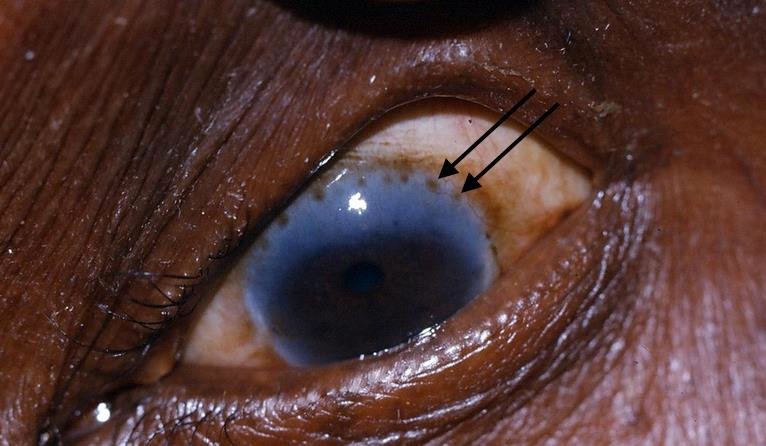
Trachoma is a neglected tropical disease caused by bacterial infection. It remains a leading infectious cause of blindness globally, particularly affecting communities with limited access to clean water, sanitation and healthcare services.
Congratulating Eritrea on the achievement, WHO Director-General, Dr Tedros Adhanom Ghebreyesus, said the country’s success demonstrated what sustained national commitment and community participation could accomplish.
“After two decades of determined effort, Eritrea has consigned trachoma as a public health problem to history,” Tedros said, describing the development as a victory for communities most affected by the disease.
He added that the achievement offered an example of how sustained national commitment could help eliminate neglected tropical diseases.
According to WHO, trachoma transmission in Eritrea has been facilitated by limited access to healthcare, clean water and sanitation, particularly among populations living in remote rural communities.
Following baseline surveys conducted across different parts of the country between 2006 and 2020, Eritrea progressively introduced WHO-recommended interventions in communities where the disease remained endemic.
The interventions were implemented through the SAFE strategy, which combines surgery to address trachomatous trichiasis, antibiotics to treat infection, facial cleanliness to reduce transmission and environmental improvements, particularly better access to water and sanitation.
WHO Regional Director for Africa, Dr Mohamed Janabi, said Eritrea’s achievement reflected the importance of political commitment, community leadership and effective partnerships in tackling neglected tropical diseases.
He noted that the milestone brought the African Region closer to eliminating the suffering associated with neglected tropical diseases and offered hope to other countries pursuing similar goals.
Eritrea’s elimination programme also adopted a community-led sanitation approach, helping to deliver significant public health gains despite limited external funding.
Health workers deployed digital tools for data collection and mapping to identify affected communities, monitor disease prevalence and direct interventions to areas most in need, including hard-to-reach locations.
The country conducted surveys across all 58 sub-zobas, its second-level administrative divisions, and expanded interventions wherever trachoma was found to be endemic.
Antibiotic treatment, largely involving oral azithromycin, was supported through donations from Pfizer Inc. under the International Trachoma Initiative.
WHO said Eritrea had also established mechanisms to identify and manage new cases of trachomatous trichiasis, an advanced stage of the disease that can cause blindness when untreated.
The country is expected to sustain surveillance activities following the validation to prevent a resurgence of the disease and protect the gains recorded.
WHO Representative to Eritrea, Dr Mary Stephen, attributed the achievement to national leadership, government ownership and collaboration among communities, the Ministry of Health, the Fred Hollows Foundation, development partners and frontline health workers.
She said WHO would continue working with the Eritrean government and partners to sustain the progress made.
Eritrea’s achievement adds to growing efforts across Africa to eliminate neglected tropical diseases, which disproportionately affect vulnerable populations and communities with limited access to essential health services.