Africa is attracting the wrong waste solution – Report
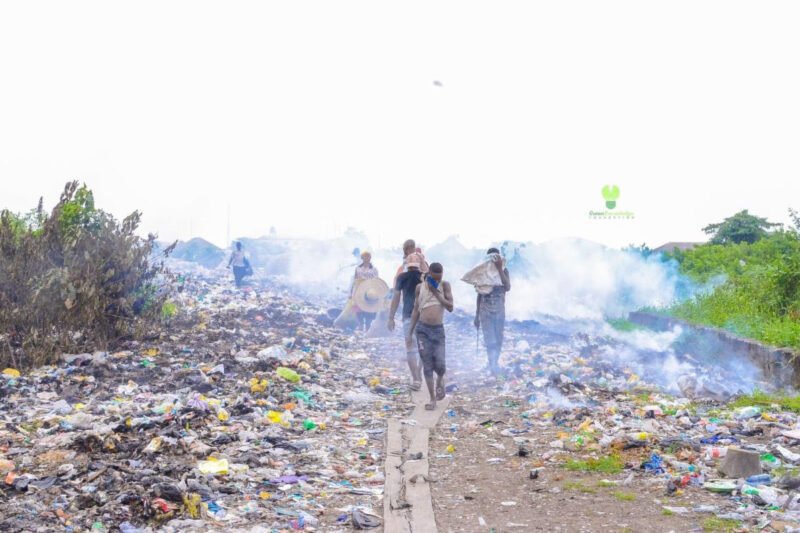
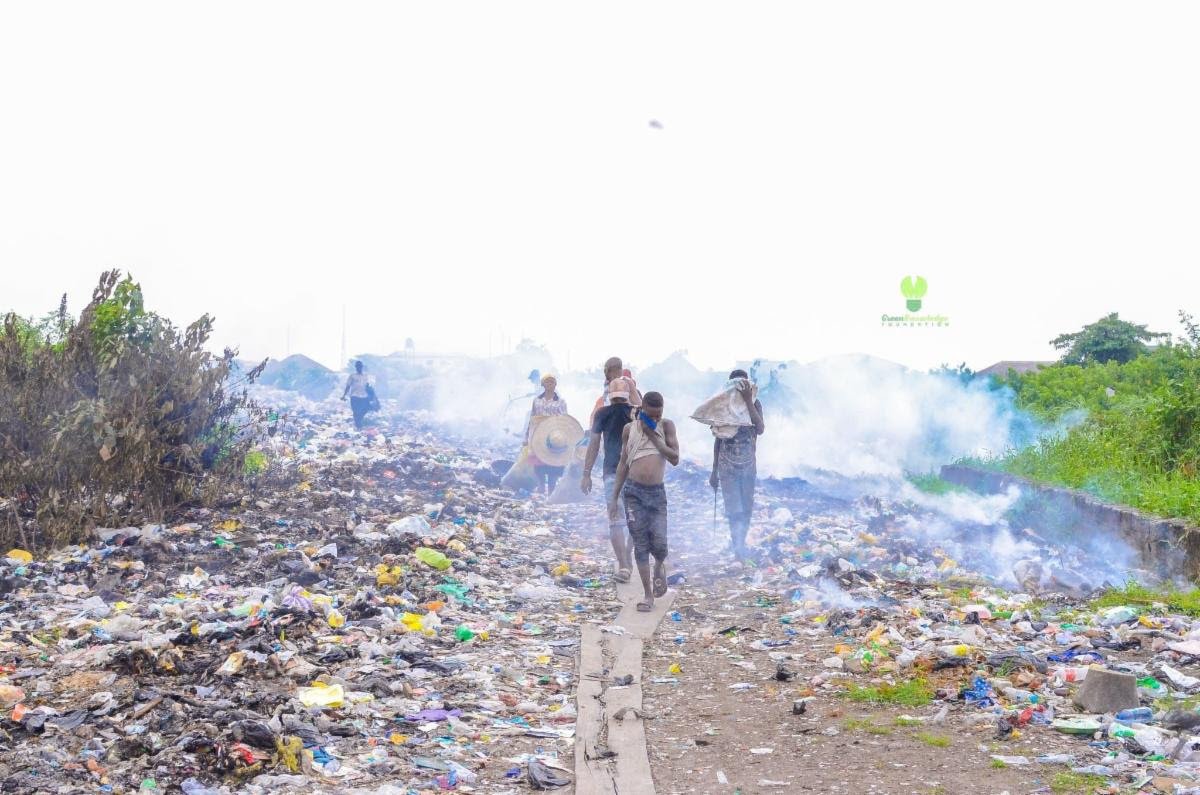
A new report by the Global Alliance for Incinerator Alternatives has found that many African countries are increasingly investing in Waste-to-Energy (WTE) incinerators to burn waste and generate electricity, contributing to severe environmental, economic, and systemic problems
By Ojoma Akor
A new report by the Global Alliance for Incinerator Alternatives has found that many African countries are increasingly investing in Waste-to-Energy (WTE) incinerators to burn waste and generate electricity, contributing to severe environmental, economic, and systemic problems.
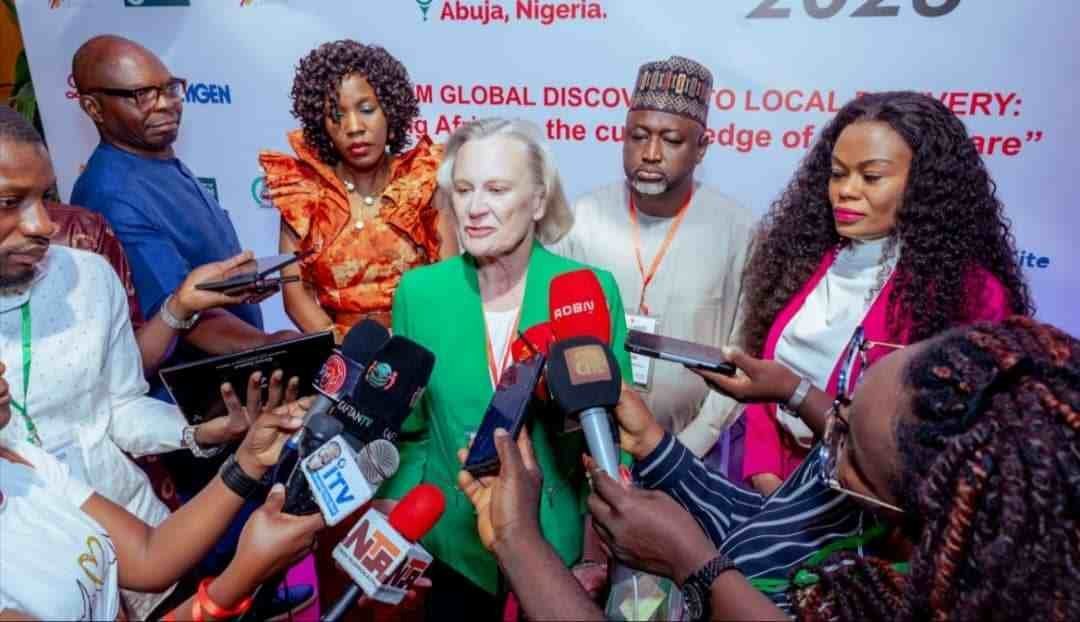
The report, which was launched on Thursday, identifies 15 waste-to-energy incinerator projects & proposals across 10 African countries.
It includes one operational plant in Ethiopia, along with a growing number of proposals, feasibility studies, and signed agreements across the continent.
These findings raise concerns about African governments’ continued endorsement of WTE incineration as a viable solution, despite its proven ineffectiveness in addressing Africa’s waste crisis.
According to the report, these tracked projects accounted for an estimated cumulative capital expenditure exceeding US$4 billion, which could have been invested in local zero-waste solutions.
“African governments need to focus on long-term trusted zero waste systems in managing their waste crisis, not “silver bullet” technologies that end up creating generational environmental and economic problems,” explains Weyinmi Okotie, Africa Clean Air Manager at GAIA.
Municipal waste across Africa is predominantly organic, with high moisture content and low calorific value, making it better suited to composting than incineration. The UN Environment Program warns that incineration is a more expensive option for waste management and energy generation in low- and middle-income countries.
The report recommended, among other things, investing in material recovery facilities, practicing source separation, and strengthening extended producer responsibility.
GAIA: GAIA is a global network of grassroots groups, non-governmental organizations (NGOs), and individuals in over 100 countries. The organization envisions a just, zero-waste world built on respect for ecological limits and community rights, where people are free from the burden of toxic pollution and resources are conserved sustainably, not burned or dumped.