AI Holds Potential to Transform Nigerian Healthcare — IHVN

By Ojoma Akor
The Institute of Human Virology Nigeria (IHVN) says artificial Intelligence (AI) could significantly improve disease detection, clinical decision-making, and healthcare delivery in Nigeria by helping health workers identify high-risk patients, automate routine documentation, and make better use of electronic medical records.
Bright Ibezim, a public health information expert and Unit Head, Health Informatics, IHVN, stated this during an interview with Health Science and Africa, saying that integrating AI into digital health systems could reduce unnecessary testing and allow healthcare workers to focus resources on patients most likely to require further investigation.
Using tuberculosis (TB) screening as an example, Ibezim said AI could analyse chest X-rays and help identify people at higher risk of the disease before confirmatory testing is carried out. “Rather than screening and testing over 2,000 people to identify 20 cases, you can use AI to improve the screening process,” he said.
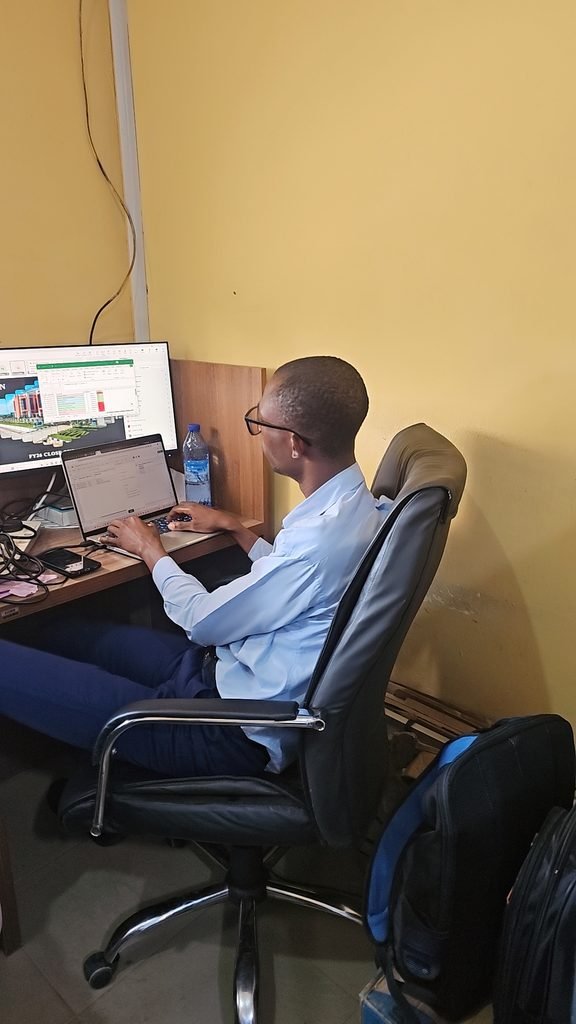
He explained that instead of collecting samples from large numbers of people, health workers could use AI-assisted screening to identify those requiring further testing. “Instead of collecting samples from 1,000 people, you can focus on collecting samples from those 20,” he said, describing AI as a potentially useful tool for TB case finding.
Beyond disease detection, Ibezim said AI could reduce the administrative workload on doctors by automatically capturing information from patient consultations and populating electronic medical records (EMRs). “This means that the doctor does not need to spend as much time entering information into the EMR and can instead focus on having a quality discussion with the patient,” he said.
He identified mobile and cloud technologies as other tools that could expand access to digital healthcare, particularly in underserved communities where internet connectivity remains unreliable. According to him, healthcare workers conducting vaccination or HIV-testing activities in remote areas could use mobile applications to capture information offline, then synchronize records to a central server or cloud platform once connectivity is restored.
Ibezim also highlighted human genomics as an emerging area that could deepen the use of digital health by combining genomic information with patients’ medical histories to identify potential health risks.
He said the long-term objective should be to move beyond simply collecting health information towards what he described as “health intelligence”. “The whole aim of deploying these technologies is to achieve what we call health intelligence. It is like having a consultant built into your EMR, guiding you on the appropriate medication and treatment plan for a patient,” he said.
Ibezim said integrating health intelligence with medical history could help create a more efficient health system while reducing the administrative and operational costs associated with healthcare delivery.
He stressed, however, that Nigeria would need sustained investment in digital infrastructure, skilled personnel, governance, and technology to realize the full benefits of AI and other emerging digital health solutions. “We have what it takes to build a strong health system here. What we need are the right investments, people, technology, governance and infrastructure. I believe it is very much possible, and we can achieve it here in Nigeria,” he said.