Nigeria Urged to Scale Homegrown Health Innovations to Improve Access to Care
By Ojoma Akor
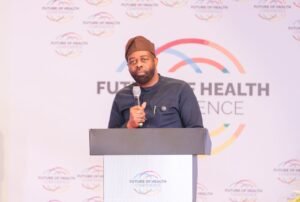
ABUJA, Nigeria — Nigeria needs to scale locally developed health innovations and digital technologies to address persistent gaps in healthcare delivery, the Director-General of the National Health Insurance Authority (NHIA), Dr Kelechi Ohiri, has said.
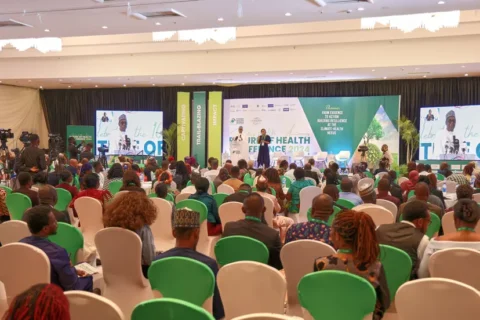
Ohiri made the call on Thursday at the Future of Health Conference in Abuja. Health sector leaders highlighted the need to move beyond pilot projects and ensure that promising innovations translate into measurable improvements in health outcomes during the conference.
He stressed that Nigeria needed solutions designed around its own healthcare challenges, supported by sustainable financing, effective policies and stronger collaboration among government institutions, researchers, healthcare providers and private sector organizations.
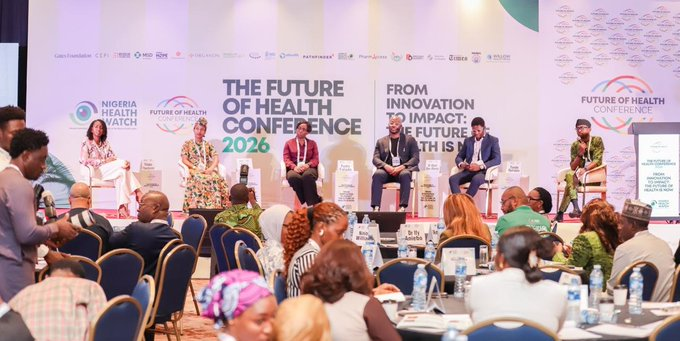
Nigeria Health Watch organized the conference under the theme “From Innovation to Impact: The Future of Health Is Now.” The conference brought stakeholders together to explore how digital technologies, innovative healthcare delivery models, and locally developed solutions could address gaps in the country’s health system.
Digital health must address local healthcare needs
Ohiri said the changing global health landscape required countries to rethink how healthcare was organized, financed, and delivered, with digital health and locally developed innovations playing an important role in strengthening health systems.
He said innovation should not be limited to new devices and technologies but should also include improvements in healthcare processes, financing mechanisms, and institutional practices.
For Nigeria, this means developing and adapting solutions that respond to local circumstances rather than relying exclusively on approaches designed for other countries.
He stressed the importance of testing new interventions, evaluating their effectiveness, and establishing clear pathways to expand successful solutions across the health system.
The approach, he said, requires stronger government leadership, improved coordination among states, and greater recognition of the private sector’s role in financing healthcare, developing innovations, and supporting service delivery.
Ohiri also highlighted the importance of locally generated research and evidence in determining which health innovations to adopt and scale.
He said the NHIA has established a research platform in partnership with Nigeria’s health policy research community to support locally generated evidence and fund research addressing the country’s specific health challenges.
Ohiri further called for a health system shaped by Nigeria’s priorities, evidence and circumstances, with greater recognition of the expertise of local health workers, researchers and innovators.
Financing remains critical to expanding healthcare access
Beyond developing promising innovations, Ohiri said Nigeria must address the financial and implementation barriers that prevent people from accessing essential healthcare services.
Figures presented at the conference indicated that approximately 23.2 million Nigerians were covered by health insurance, leaving a substantial proportion of the population without adequate financial protection against healthcare costs.
The NHIA chief highlighted an emergency obstetric care intervention that had benefited approximately 90,000 women by helping them obtain treatment for complications during childbirth.
The NHIA also reported that approximately 70,000 people had been integrated into health insurance through efforts to incorporate beneficiaries of disease-specific programs into broader insurance arrangements.
According to Ohiri, integrating these beneficiaries into comprehensive health insurance schemes could help shift healthcare delivery away from fragmented, disease-specific interventions toward services that address patients’ broader health needs.
He also emphasized the importance of sustainable financing for essential public health programs, including those addressing HIV, tuberculosis, and other health priorities.
Without sustainable funding arrangements, he warned, Nigeria’s ability to maintain essential services could be undermined.
Stronger primary healthcare systems needed
The conference also highlighted the need to strengthen primary healthcare facilities, where many Nigerians first seek medical attention.
Ohiri said frontline health workers increasingly faced responsibilities beyond clinical care, including financial management, data reporting, community engagement, and coordination with donors and other partners.
He said the ultimate measure of progress should be whether people receive the care they need without medical expenses pushing them into poverty.
He also cited the importance of ensuring that women experiencing obstetric emergencies receive timely treatment and that premature babies obtain essential respiratory support through sustainable healthcare arrangements.
Nigeria Health Watch calls for innovations that reach communities
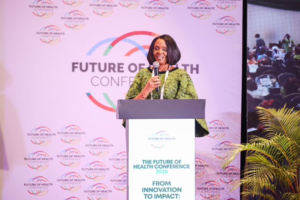
The Managing Director of Nigeria Health Watch, Vivianne Ihekweazu, said the conference was designed to move discussions about the future of healthcare towards practical solutions to the challenges Nigerians face today.
She highlighted that while innovation was increasingly recognized as a way to address healthcare gaps, the priority should be identifying solutions that can reach underserved populations and remain sustainable over time.
Ihekweazu said the conference would help stakeholders examine not only the innovations being developed but also the barriers preventing promising solutions from reaching more people.
The conference featured innovation showcases spanning maternal health, family planning, digital health, agriculture and climate-resilient healthcare.
Among the organizations scheduled to showcase their work were Project HOPE, Agenda Health, the Solina Center for International Development and Research, and eHealth Africa.
Project HOPE was scheduled to present its work on expanding point-of-care ultrasound services in primary healthcare centers. At the same time,
The Solina Center for International Development and Research (SCIDaR) was expected to highlight innovations supporting universal health coverage. eHealth Africa was also scheduled to showcase work on climate-resilient health facilities.
These initiatives reflect different approaches to improving healthcare delivery, from expanding access to diagnostic services to strengthening accountability and protecting health infrastructure against climate-related risks.
The program also included a discussion led by the Coalition for Epidemic Preparedness Innovations (CEPI) on strengthening Nigeria’s and other West African countries’ capacity in vaccine trial science.
The discussion was expected to examine local expertise in clinical trial design, research site readiness, data ownership, and regulatory review, particularly against the backdrop of epidemic threats such as Ebola and Lassa fever.