Nigeria’s HIV Prevalence Drops to 1.3% as AIDS Deaths Decline by 60% – NACA
By Ojoma Akor
Nigeria’s national HIV prevalence has declined from 5.8 percent in 2001 to 1.3 percent in 2025, while annual AIDS-related deaths have dropped by approximately 60 percent over the past 15 years, the National Agency for the Control of AIDS (NACA) has said.
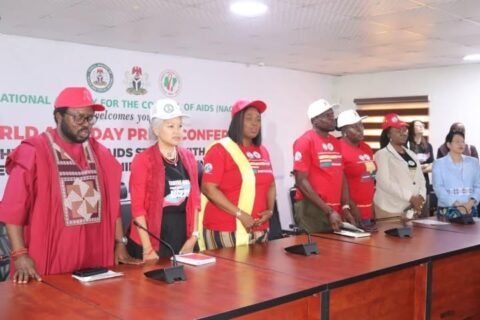
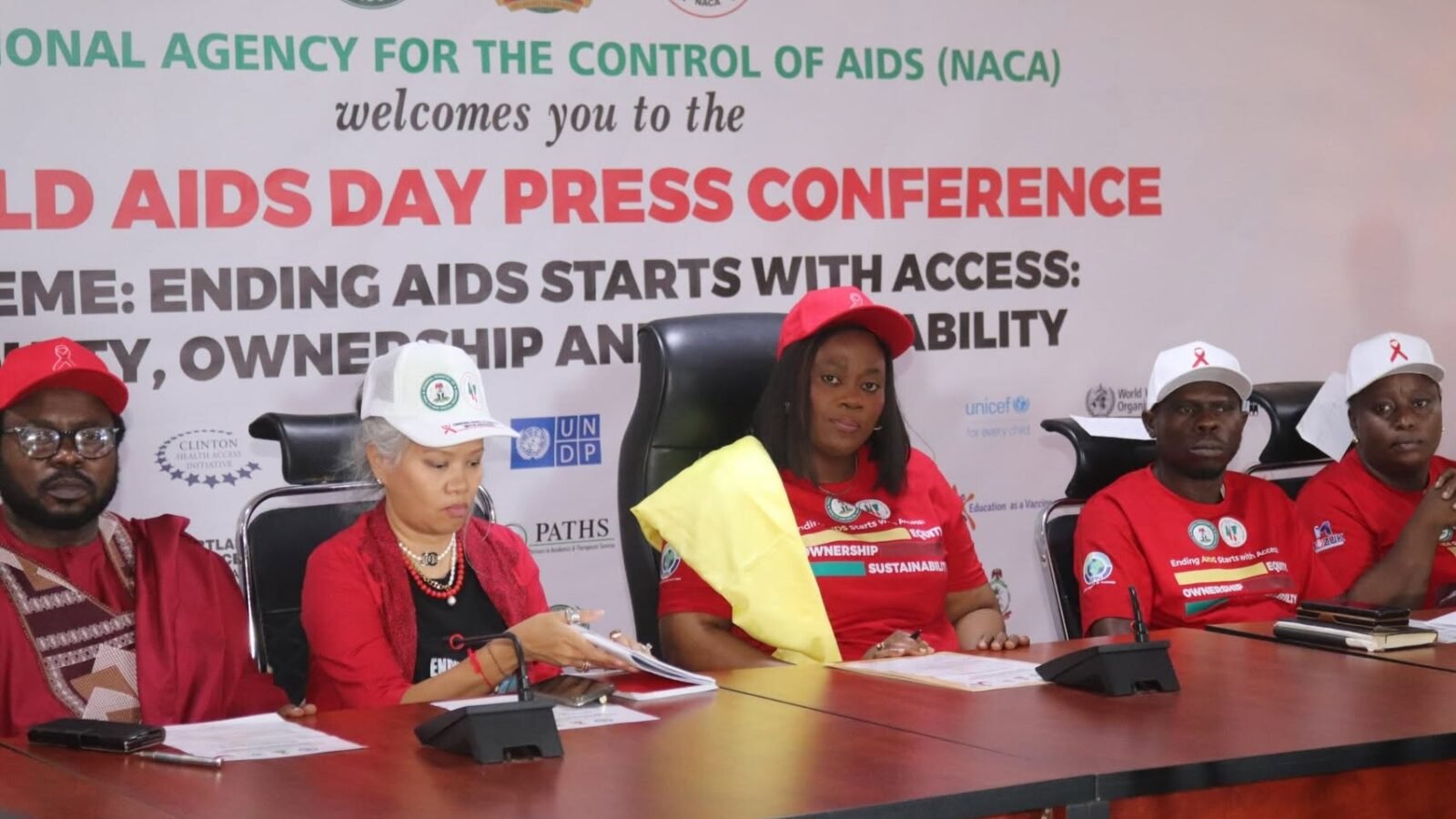
The Director-General of NACA, Dr Temitope Ilori, disclosed this Monday during the 2026 World AIDS Day media briefing, where she presented national data showing progress in Nigeria’s efforts to end AIDS as a public health threat by 2030.
Ilori said annual AIDS-related deaths declined from 80,000 in 2010 to 32,000 in 2025, while new HIV infections fell by more than half, from 130,000 to 64,000 within the same period.
She attributed the progress to political commitment, strategic coordination by NACA and sustained support from development partners.
According to her, Nigeria has also recorded progress towards achieving the UNAIDS 95-95-95 targets, which seek to ensure that 95 percent of people living with HIV know their status, 95 percent of those diagnosed receive antiretroviral treatment and 95 percent of those on treatment achieve viral suppression.
Ilori disclosed that as of 2025, 80 percent of people living with HIV in Nigeria knew their status, while 98 percent of those diagnosed were enrolled on antiretroviral therapy.
She added that 94 percent of people receiving treatment had achieved viral suppression, meaning the virus was reduced to undetectable levels.
Despite the progress, the NACA boss said significant gaps remained, particularly in identifying people who were yet to know their HIV status and improving early diagnosis among HIV-exposed infants.
She noted that 20 percent of people living with HIV in the country remained unaware of their status, while 34 percent of HIV-exposed infants still required early diagnosis.
To address the gaps, Ilori said NACA was prioritizing expanded community-led HIV testing and prevention, domestic resource mobilization and the elimination of stigma and discrimination.
She said the agency would scale up HIV self-testing, targeted community outreach and innovative prevention interventions to reach people who were yet to be diagnosed.
On sustainable financing, she called for stronger state-level ownership and the integration of HIV services into the country’s primary healthcare system and health insurance frameworks.
She said Nigeria could no longer afford an HIV response that depended solely on external funding, stressing the need for predictable domestic financing, stronger state counterpart funding and the integration of HIV prevention, testing and treatment into routine healthcare services.
Ilori also emphasized the importance of enforcing the HIV and AIDS (Anti-Discrimination) Act to address stigma, institutional barriers and discrimination that prevent people from accessing HIV services.
She said the 2026 World AIDS Day theme, “Ending AIDS Starts with Access: Equity, Ownership and Sustainability,” reflected the need to ensure that every Nigerian, regardless of location, gender or socioeconomic status, could access HIV services without discrimination.
“Ending AIDS starts with access—access to testing, access to treatment, access to information, and access to dignity,” she said.

Gaps in prevention and mother-to-child transmission
On efforts to prevent mother-to-child transmission, Ilori said Nigeria had expanded HIV screening during routine antenatal care across the country’s six geopolitical zones.
She disclosed that early infant diagnosis coverage among HIV-exposed infants increased more than fourfold, from 15 percent in 2022 to 66 percent in 2025.
However, she said closing the remaining gaps in early infant diagnosis would be critical to securing an AIDS-free generation.
The Country Director of UNAIDS Nigeria, Ms Tina Bantu, also called for intensified HIV prevention efforts, noting that although more than 1.5 million people living with HIV in Nigeria were accessing antiretroviral medicines, the country still recorded an estimated 64,000 new infections annually.
She urged stakeholders to reduce new infections to fewer than 5,000 annually.
Bantu expressed concern that only 61 percent of HIV-positive pregnant women were accessing antiretroviral medicines, while the mother-to-child transmission rate stood at 20 percent.
She called for increased testing and community-based interventions to ensure pregnant women and their families received the services required to prevent new infections.

IHVN expands access to HIV prevention options
Meanwhile, the Institute of Human Virology Nigeria (IHVN) has reaffirmed its commitment to expanding evidence-based, person-centered HIV prevention interventions.
The Chief Executive Officer of IHVN, Dr Patrick Dakum, represented by the Director of its Prevention, Care and Treatment Unit, Dr Helen Omuh, said the organization was supporting the expansion of harm reduction services, including medication-assisted treatment, HIV prevention, psychosocial support and integrated hepatitis services.
She said IHVN was also advancing access to multiple pre-exposure prophylaxis (PrEP) options, including long-acting injectable Lenacapavir and Cabotegravir, alongside oral PrEP.
According to her, the initiatives are being implemented across four states to expand prevention choices and improve access to differentiated HIV services.
Omuh said IHVN was also collaborating with NACA, the National AIDS and STIs Control Program (NASCP) and community partners to strengthen interventions targeting adolescents and young people through age-appropriate services and community leadership.
She highlighted the organization’s Baby Checker initiative, which uses community support systems to expand HIV testing among pregnant women and strengthen early identification, referral and linkage to care.
She added that IHVN’s gender, health and human rights interventions included screening for gender-based violence and other rights concerns, with referrals to appropriate support services.
Communities demand sustainable funding and an end to discrimination
The National Coordinator of the Network of People Living with HIV/AIDS in Nigeria (NEPWHAN), represented by the National Secretary, Nicholas Ugbenyen, called for stronger community-led interventions and sustained domestic funding for HIV services.
Ugbenyen said people living with HIV and affected communities must remain at the center of the national response, not merely as beneficiaries but as active partners in decision-making and service delivery.
He acknowledged the contributions of the Federal Government and development partners to the country’s HIV response. Still, he called for stronger action against stigma, discrimination and other barriers preventing people from accessing quality services.
He urged the government and development partners to strengthen community-led initiatives and ensure that children, adolescents, women and other vulnerable populations were not left behind.
Similarly, the National Coordinator of the Association of Women Living with HIV/AIDS in Nigeria (ASWHAN), Esther Hindi, called for stronger interventions to prevent mother-to-child transmission of HIV.
Hindi stressed the need to protect unborn children from HIV through improved access to prevention services for pregnant women.
She also called for stronger community ownership and support systems to sustain the HIV response, particularly amid changing funding arrangements.
The Executive Director of the FCT Agency for the Control of AIDS (FACA), Dr Doris John, said the FCT would commemorate the occasion with activities including a roadshow and symposium to mobilize stakeholders and raise awareness.
She stressed that access to HIV services should go beyond geographical availability to include affordability, availability of essential commodities and adequate numbers of trained service providers.