Scientists reverse 60 years of aging in human cells
Scientists in Germany have reversed more than 60 years of cellular aging in the lab by transforming blood cells from an 80-year-old person into stem cells with an age signature of less than 20 years.

By Health and Science Africa
Scientists in Germany have reversed more than 60 years of cellular aging in the lab by transforming blood cells from an 80-year-old person into stem cells with an age signature of less than 20 years.
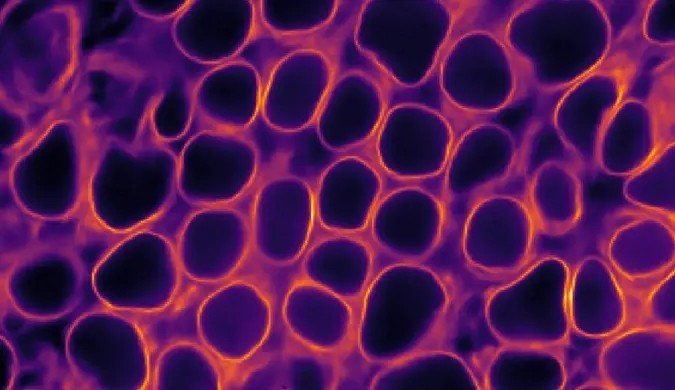
Researchers at the University Hospital of Bonn and the University of Bonn achieved the remarkable transformation by reprogramming mature red blood cells into neural stem cells, which can eventually develop into brain cells.
Findings published in the journal Aging Cell revealed that, during the process, molecular markers associated with aging were effectively reset, making the cells more than 60 years younger at the molecular level.
The rejuvenation happened gradually, allowing scientists to follow the changes over an extended period. This slower process could provide important clues about how cellular aging can be reversed and potentially help researchers investigate treatments for diseases associated with aging.
According to Science Daily, the human body contains hundreds of specialized cell types, all of which originate from a single fertilized egg and carry essentially the same genetic instructions. As cells develop, however, they take on specific roles.
Under normal circumstances, a skin cell cannot transform into a liver cell, and a blood cell cannot become a nerve cell.
Modern laboratory techniques have also made it possible to overcome these biological restrictions.
Scientists can now reprogram certain mature cells to adopt entirely different identities. For example, scientists can convert skin cells into cells capable of producing nerve tissue, an approach that could eventually contribute to treatments for neurodegenerative diseases.
The process relies on a combination of proteins called transcription factors, which regulate gene activation. By changing which genetic instructions a cell follows, these proteins can redirect its development and give it a new cellular identity.
Prof. Dr. Oliver Brüstle, director of the Institute of Reconstructive Neurobiology at the University Hospital of Bonn, said, “Using this method, we have directly converted red blood cell precursors into neural stem cells.”
These findings could eventually help scientists better understand the cellular changes associated with conditions such as Alzheimer’s disease.