Nearly Three in Four Adults With Diabetes in Africa Undiagnosed – WHO
By Ojoma Akor
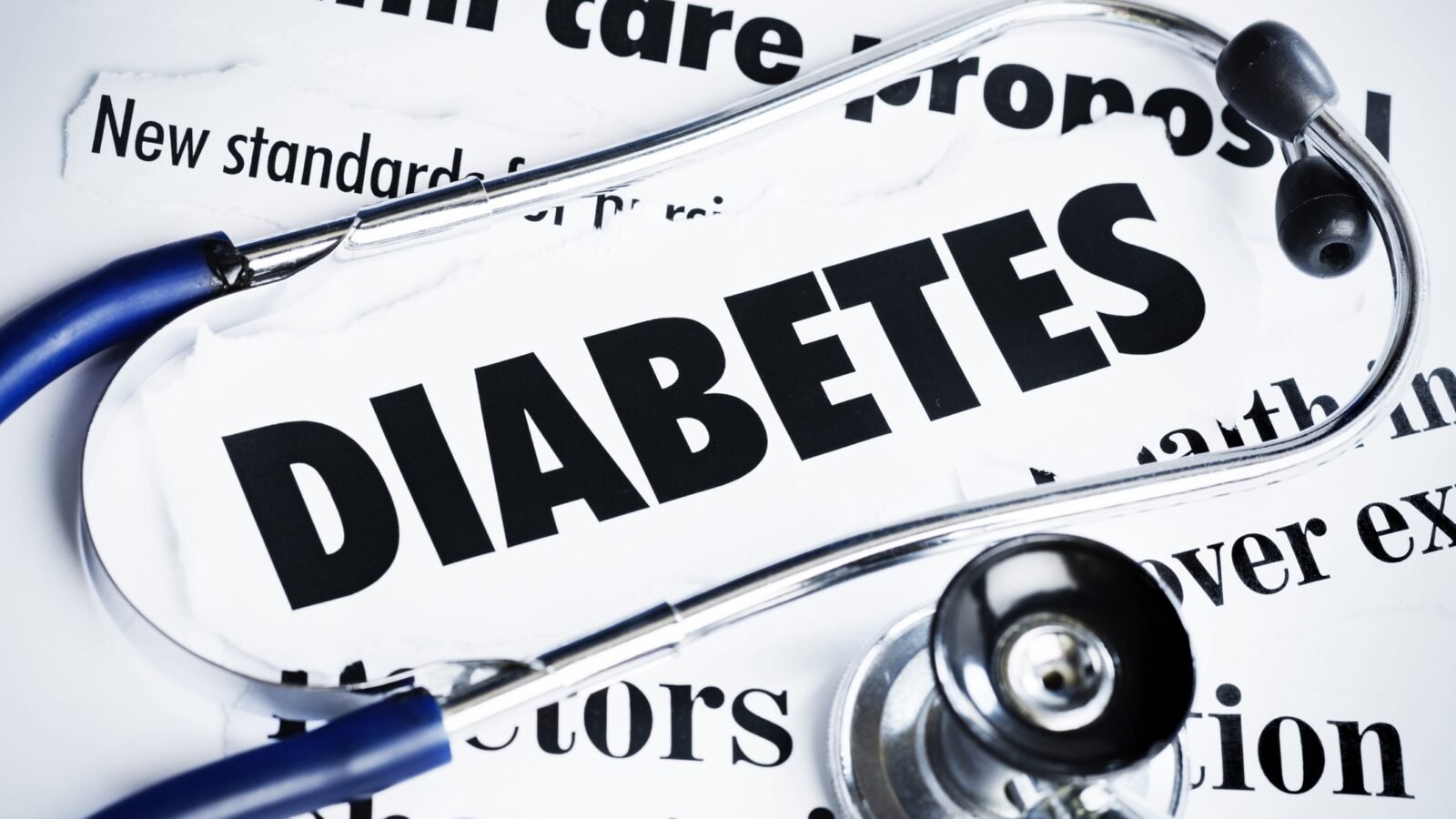
The World Health Organization (WHO) has warned that nearly three in four adults living with diabetes in Africa remain undiagnosed, leaving millions at risk of potentially life-threatening complications, including kidney failure, blindness and cardiovascular disease.
The WHO Regional Director for Africa, Dr Mohamed Janabi, disclosed this in a message ahead of World Diabetes Day 2026, marked on November 14.
He called for urgent action to improve awareness, expand screening and ensure access to affordable treatment.
According to Janabi, an estimated 24.6 million adults aged 20 to 79 were living with diabetes in the WHO African Region in 2024, with the figure projected to rise to 59.5 million by 2050.
He warned that the high proportion of undiagnosed cases was leaving many people vulnerable to serious complications that could be prevented through early detection and timely treatment.
“Early diagnosis and timely treatment can prevent complications, reduce suffering and save lives,” he said.
World Diabetes Day 2026 is being observed under the theme “Early Action on Diabetes,” with WHO urging individuals, communities, governments, healthcare workers and development partners to strengthen prevention, diagnosis and treatment efforts across the continent.
Millions at risk of preventable complications
Diabetes is a chronic condition that occurs when the body cannot produce enough insulin or use the insulin it produces effectively, resulting in elevated blood glucose levels.
When left undiagnosed or inadequately managed, the disease can damage vital organs and lead to complications such as kidney failure, blindness, cardiovascular disease and lower-limb amputations.
Janabi said many people remain unaware that they have diabetes until serious health complications develop, underscoring the need to expand public awareness and access to diagnostic services.
He urged people to recognize potential warning signs, including increased thirst, frequent urination, unexplained weight loss, persistent tiredness and blurred vision.
“Do not ignore these symptoms. Seek testing and medical advice promptly, and encourage family members and friends to do the same,” he advised.
He also encouraged people at increased risk of diabetes to undergo screening, noting that the disease can develop without obvious symptoms.
WHO urges governments to strengthen primary healthcare
Beyond individual awareness, the WHO Regional Director called on governments to prioritize diabetes prevention, early diagnosis and continuous care within primary healthcare systems and universal health coverage programs.
He said sustained investment was needed to expand access to affordable insulin and other essential medicines, diagnostic services, trained health workers and reliable healthcare systems.
Janabi also urged development partners, civil society organizations and the private sector to support government-led efforts, particularly in underserved communities where access to healthcare services may be limited.
He stressed that healthcare workers play a critical role in recognizing symptoms early, providing timely testing, and ensuring patients receive compassionate, person-centered care.
According to him, every patient encounter presents an opportunity to promote prevention, improve diabetes management and prevent complications.
Rwanda’s progress offers lessons for Africa.
Janabi highlighted ongoing WHO-supported initiatives to strengthen the management of diabetes and other noncommunicable diseases across the region.
These include the WHO Package of Essential Noncommunicable Disease Interventions (WHO PEN), the HEARTS technical package for cardiovascular disease management, HEARTS-D for diagnosing and managing type 2 diabetes, and PEN-Plus, a regional strategy for addressing severe noncommunicable diseases at first-level referral health facilities.
He commended Rwanda for achieving nationwide district-level coverage of PEN-Plus, describing it alongside progress in other countries as an example of efforts to strengthen services for people living with severe chronic conditions.
However, he acknowledged that significant gaps remain in the availability of trained healthcare workers, diagnostic services, essential medicines and continuous care.
The WHO, he said, remains committed to supporting African countries to accelerate progress towards the 2030 targets outlined in the Framework for the Implementation of the Global Diabetes Compact in the African Region.
Call for collective action
Janabi called on communities to promote accurate information, challenge stigma and discrimination, and encourage people living with diabetes to share their experiences and support others in seeking care.
He said conversations about diabetes could help improve public understanding and encourage earlier diagnosis.
“To people living with diabetes, your experiences matter. Share your stories, support one another and encourage others to seek care,” he said.
He emphasized that tackling the growing diabetes burden would require coordinated action by individuals, healthcare providers, governments and development partners.
“Know the symptoms. Do not ignore the warning signs. Seek testing and care early. Encourage others to do the same,” Janabi said.
He added that early detection and equitable access to quality treatment were essential to preventing avoidable disability and deaths from diabetes across Africa.