Global Health Reset: How to build stronger health future for Nigeria-WHO Country Representative
By Ojoma Akor
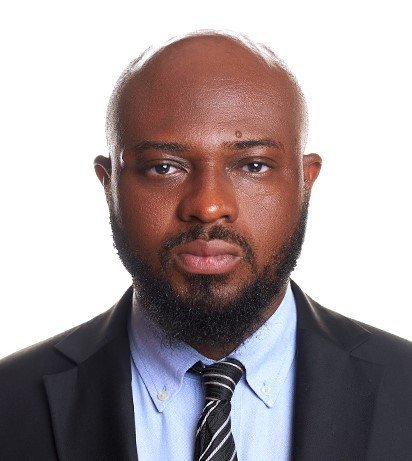
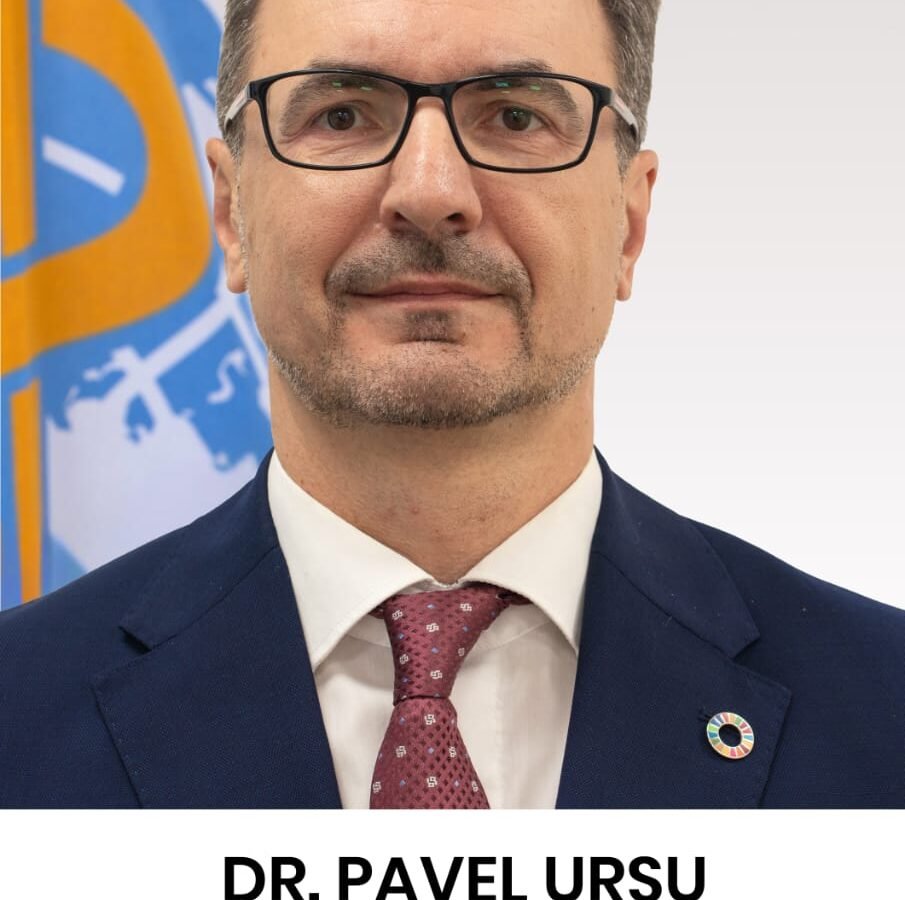
Dr Pavel Ursu is the World Health Organization (WHO) Country Representative and Head of Mission in Nigeria. In this interview with Health and Science Africa, he speaks about the proposed reform of the global health architecture, its implications for Nigeria, declining external health financing, domestic resource mobilization, and the need to strengthen primary healthcare, health workforce capacity, and accountability.
He also discusses Nigeria’s progress and persistent challenges in polio eradication, malaria, tuberculosis, HIV, maternal health, digital health, and Universal Health Coverage (UHC).
The proposed reset of the global health architecture has generated considerable discussion. What should Nigerians realistically expect from this reform, particularly in terms of improvements in health outcomes?
First, the reset is a Member State-driven process. We, as institutions and partners in global health, respect that process and look forward to its outcomes and to Member States’ decisions, which will guide how we focus and adapt our work.
The structural questions being considered are important, and the reshaping of the global health architecture should follow that process.
That said, if you ask for my perspective on what this should ultimately mean for Nigerians, I would be quite pragmatic. The reset, by itself, will not change health outcomes in Nigeria, certainly not quickly. What matters is whether the changes it produces help countries translate resources, partnerships and technical capacities into stronger services and better health outcomes.
For a mother in Sokoto or a child in Borno, the architecture itself is quite distant. What matters is whether it helps strengthen the health services people depend on: primary healthcare, functioning supply chains, surveillance and laboratory systems, and health workers who are equipped and supported to provide quality care.
Countries do not have to wait for the global process to conclude before accelerating health outcomes. Every time a government invests more of its own resources through its national plan, strengthens accountability for results, and ensures that partners align their financing and support behind national priorities, it strengthens the country-led foundations that any future global health architecture will need to support.
Nigeria already has important foundations through the Health Sector Renewal Investment Initiative and the Sector-Wide Approach (SWAp). These provide an opportunity to strengthen country ownership, partner alignment, accountability and, ultimately, health impact.
The Joint Annual Review (JAR) should be much more than an assessment of progress. Together with quarterly performance reviews, it can become an instrument for identifying bottlenecks, correcting course and accelerating measurable results.
The Lusaka Agenda and the Accra Reset reinforce this direction towards greater country leadership and stronger alignment of global health initiatives behind national priorities.
Ultimately, the real test of the reset will not simply be how the global health architecture is configured. It will be whether it enables countries such as Nigeria to lead more effectively, mobilize sustainable domestic financing, bring partners behind one national direction, strengthen accountability, and translate all of that into better health outcomes.
Can you explain how the success of the reform depends largely on individual countries’ capacity to take ownership of their health systems?
It is the pillar the others rest on. Sustainable progress depends on national capacity to plan, finance, deliver, measure and continuously improve health services.
International support is most effective when it aligns with national priorities, systems and accountability mechanisms.
I would judge any proposal, whether it combines agencies, pools funds or sets a timetable for reducing external aid, by one question: Will it leave the Nigerian health system more capable in five years than it is today?
Polio appears to be one of the clearest examples of a global health initiative operating at scale in Nigeria. What is the country’s current position?
Nigeria’s elimination of wild poliovirus, certified in 2020, was a lasting national achievement that many once thought impossible.
However, variant poliovirus is still circulating. According to the Global Polio Eradication Initiative’s October 28, 2026 update, Nigeria had reported 36 type 2 variant cases this year, down from 66 in 2025, alongside 15 type 3 variant cases, up from eight.
The August International Health Regulations Emergency Committee also noted that Nigeria remains the largest contributor to the global variant poliovirus caseload.
The main lesson now is about delivery and optimizing limited resources. The remaining transmission is concentrated in a limited number of local government areas in the North-West, where campaign quality, access, and routine immunization are weakest.
We are working with the National Primary Health Care Development Agency (NPHCDA) and state governments to treat each of those local government areas as a specific delivery problem, with clearly identified responsibilities, weekly routines, and a short list of indicators, rather than applying uniform national measures.
A better-aligned global health architecture can help by ensuring predictable funding for that kind of focused delivery. However, Nigerian program managers must lead the change on the ground.
Beyond polio campaigns, how important is strengthening routine immunization to sustaining these gains?
This is ultimately where polio is won or lost. The World Health Organization and UNICEF estimates put Nigeria’s zero-dose children at around 2.2 million in 2025. National administrative data often show higher immunization coverage than surveys and modeled estimates. That gap is itself a finding because it tells us where data quality and population denominators need improvement.
The infrastructure built around polio, including surveillance, microplanning and community networks, must increasingly serve routine immunization and primary healthcare.
That transition is one of the country’s most important capacity challenges.
Nigeria is one of the major recipients of funding from the Global Fund, Gavi and bilateral health partners. These are among the financing instruments whose roles are being reconsidered under the global health reset. How effective have these investments been in addressing the country’s disease burden?
External investments have saved millions of lives globally and remain important. However, their effectiveness must be judged against the disease burden.
WHO’s World Malaria Report 2025 estimates that Nigeria accounted for 24.3 percent of global malaria cases and 30.3 percent of global malaria deaths in 2024, representing approximately 68.5 million cases and 185,000 deaths. This is the largest share of any country.
A country carrying that share of the global burden needs malaria funding to do more than procure commodities. It must also strengthen surveillance, disease stratification, and subnational management to determine where insecticide-treated nets, chemoprevention, and vaccines will have the greatest impact.
Nigeria’s tuberculosis control program demonstrates what is possible. National notifications increased from approximately 107,000 in 2018 to about 459,000 in 2025, against WHO’s estimated 510,000 new cases annually.
That improvement is largely attributed to better diagnostics, private-sector engagement and active case-finding. The remaining detection gap, alongside low enrolment for drug-resistant tuberculosis treatment, is now a priority.
HIV is where the transition question is most urgent. Nigeria’s response has relied heavily on external funding, with PEPFAR historically supporting most of the treatment burden.
The new National HIV and AIDS Strategic Plan 2026–2030 and the government’s US$346 million co-financing commitment for HIV, tuberculosis and malaria in 2026 are important signals.
What matters next is whether those commitments are released on time and whether services can be integrated into primary healthcare and health insurance without interruption.
What specific changes would make international health funding more effective and sustainable for Nigeria?
Three things are important. First, investments must align with national health priorities, plans and annual operational frameworks, while strengthening country systems and accountability mechanisms.
Second, we must invest predictably in the cross-cutting capacities on which all health programs depend. These include health information systems, supply chains, the health workforce and primary healthcare.
Third, we need joint transition plans developed with government, with clear milestones, to ensure domestic financing increases as external financing declines, rather than after a funding gap emerges.
As external health financing declines, Nigeria will have to shoulder more of the responsibility for funding its health system. How far has the country progressed in mobilizing domestic resources and expanding health insurance coverage?
Domestic financing is critical for sustainability, and Nigeria has established strong policy foundations.
The 2022 National Health Insurance Authority Act made health insurance coverage mandatory. The NHIA reports that enrolment increased to more than 22 million by mid-2026, up from around seven per cent coverage for nearly two decades before the Act.
That is real progress. However, it represents only about one in ten Nigerians, meaning that most people still pay out of pocket for healthcare.
Enrolment alone does not guarantee financial protection or quality care. The next phase must focus on reaching people in the informal sector and poorer populations, while tracking what people actually pay and the quality of services they receive, rather than simply counting those registered.
Maternal mortality remains one of Nigeria’s most difficult public health challenges. How can the global health reset help the country make meaningful progress in reducing maternal deaths?
Reducing maternal mortality remains one of Nigeria’s most important health priorities.
The UN inter-agency estimates put Nigeria’s maternal mortality ratio at approximately 993 deaths per 100,000 live births in 2023. However, national and other estimates differ, often by about half. For instance, the 2024 Nigeria Verbal Autopsy and Social Autopsy Study (NVASA) puts the ratio at 572 deaths per 100,000 live births.
We are working with the government and partners to improve measurement.
The solution requires action across the continuum of care, including family planning, antenatal care, skilled delivery, emergency obstetric services, referral systems, and strong primary healthcare.
These are system-wide investments that benefit entire communities.
In the 2023–24 Demographic and Health Survey, only about 15 percent of married women used a modern contraceptive method, while around one in five had an unmet need for family planning.
Helping women avoid unintended pregnancies, space births, and avoid unsafe abortion can reduce the number of high-risk pregnancies before obstetric care is ever needed.
The continuum then includes antenatal care, skilled birth attendance, emergency obstetric care, access to blood, referral systems, and functioning primary healthcare.
These are system investments, not vertical projects. They are precisely what health insurance, the Basic Health Care Provision Fund, and the SWAp were designed to finance.
What should be put in place nationwide for the global health reset to translate into better health outcomes?
Primary healthcare is the foundation of universal health coverage. It is where immunization, maternal care, malaria services, HIV, tuberculosis, and other essential health services reach communities.
Nigeria has approximately 31,800 primary healthcare facilities, representing about four in five of all health facilities in the country. However, for years, many of these facilities were not functional.
The government’s goal of having one fully functional primary healthcare center in every political ward, representing approximately 17,600 facilities, with Basic Health Care Provision Fund resources flowing directly to facilities, is the right design.
NPHCDA reports that about 8,000 primary healthcare centers are functional, with approximately 3,000 upgraded.
That is encouraging, but these are administrative figures. The next step is to confirm functionality through joint facility assessments, ensure states draw down and utilize the funds available to them, and demonstrate that utilization and quality of care improve as a result.
Integrating vertical health programs into this platform, rather than running them alongside it, is also essential to ensuring that the transition from external funding does not create gaps in service delivery.
The shortage and migration of health workers remain major concerns in Nigeria. How serious is the situation, and what should be done to address it?
Health workers are the backbone of the health system, and their shortage is one of the most significant constraints to progress.
Government figures put Nigeria’s doctor density at approximately four per 10,000 people nationally. The 2025 health workforce report shows that some northern states have a density of around 0.5 doctors per 10,000 people.
Emigration has accelerated, and the states with the highest burden of maternal deaths, malaria and zero-dose children are often those with the fewest health workers.
Nigeria is responding. The country has adopted a National Policy on Health Workforce Migration, expanded training intake, retrained tens of thousands of frontline workers and, with WHO support, developed a National Health Workforce Registry and country workforce profile.
What matters now is retention and deployment: getting midwives, nurses, and community health workers into the wards and states that need them, keeping them there, and enabling task-sharing so the existing workforce can do more.
Internationally, the WHO Global Code of Practice and managed migration arrangements should mean that destination countries help sustain the training pipelines they benefit from.
How should Nigeria measure its progress towards achieving universal health coverage?
Outcomes for people rather than inputs should judge progress. WHO’s Universal Health Coverage service coverage index for Nigeria is below the regional average, while out-of-pocket payments still account for roughly 70 to 75 percent of health spending.
Functioning primary healthcare centers, an adequate workforce, and health insurance are the means. The real test is whether service coverage increases and the proportion of households facing catastrophic health expenditure declines.
There are, however, important reasons to expect progress.
The investments and policy reforms being pursued by the government at both federal and state levels are increasingly focused on the foundations of universal health coverage: stronger primary healthcare, a fit-for-purpose health workforce, more reliable access to essential medicines and services, and expanded financial protection through health insurance.
If these reforms are implemented consistently and at scale, we should see progress reflected in Nigeria’s UHC indicators over time.
More people should be able to access essential health services when they need them, gaps between states and population groups should narrow, and fewer families should be pushed into financial hardship because they have to pay out of pocket for healthcare.
Ultimately, that is the improvement Nigerians should expect, and it is what the government and its partners should hold themselves accountable for.
How will Nigeria know if the global health reset is actually improving health outcomes?
Strong data and analytics are essential. Countries need reliable information to track progress, identify gaps, allocate resources effectively, and improve outcomes.
On maternal mortality, Nigeria currently has national figures, UN inter-agency figures, and Institute for Health Metrics and Evaluation (IHME) figures that do not agree. Each uses different data and methodologies, and each is defensible on its own terms. But a minister needs a number to plan against, and the public needs to trust it.
We are supporting the government to bring these figures together.
This involves establishing a technical working group on mortality estimation, including WHO, the United Nations Population Fund (UNFPA), the Institute for Health Metrics and Evaluation (IHME), and agencies working on HIV, tuberculosis, malaria, and injuries.
It also involves working with WHO headquarters to strengthen national and subnational analytics capacity and improve civil registration and vital statistics, including maternal and perinatal death surveillance, so that the country can rely less on periodic surveys.
This is what we call an impact focus: using data to track progress, identify bottlenecks, solve problems, and mobilize the actions, resources, and partnerships needed to achieve results.
The quarterly performance reviews and Joint Annual Review under the SWAp are where this happens in practice. Better data makes each of those conversations more meaningful.
Why is it particularly important to strengthen data analysis and decision-making at the state and local government levels?
A national average hides a great deal in a country as large and diverse as Nigeria.
States and local government areas make decisions about polio, malaria chemoprevention, and obstetric care.
The goal is for state teams to analyze their own data, reconcile administrative and survey estimates, and act on the findings.
That capacity will remain long after any single grant ends, and we believe WHO adds some of its most durable value at that level.
Digital health and artificial intelligence are increasingly being promoted as solutions to health system challenges. Where do these technologies fit into Nigeria’s health sector transformation?
Digital transformation in health is not primarily about technology. It is about building stronger, more equitable and people-centered health systems, with technology serving as an enabler.
Data and digital transformation is one of the six pillars of WHO’s cooperation with Nigeria for precisely that reason.
Our ambition is not simply to have more digital health platforms, but to develop connected health systems that use digital tools to deliver measurable impact.
Too often, countries end up with numerous disconnected platforms, each funded by a different partner, with none communicating with the others.
Telemedicine, electronic health records and reporting tools should be built into primary healthcare, referral networks and the national health information system, rather than operating alongside them.
We are also ambitious about artificial intelligence. AI offers significant opportunities to support health workers, strengthen surveillance, improve decision-making and enhance service delivery.
However, AI should complement, not replace, professional judgment. Its implementation must align with WHO guidance on ethics, governance, equity, transparency, accountability, privacy and human rights.
Successful deployment depends on strong digital foundations, including high-quality data, interoperability, cybersecurity, appropriate regulation and a well-trained workforce.
Improvements in health outcomes, service quality and equity should ultimately measure its value.
For Nigeria, three priorities matter.
First, governance, standards, interoperability and digital architecture should be treated as national public goods, owned and led by government.
Second, every digital investment should be judged by measurable improvements in service delivery and health outcomes, rather than the number of platforms launched.
Third, Nigeria should pursue AI ambitiously but responsibly, guided by ethics, evidence, safety, national regulation, and national priorities, while protecting data sovereignty and ensuring the benefits reach rural communities, women, and people with limited digital access.
This is also part of the global health architecture question. Partners, philanthropies, and technology companies should invest through the national digital health architecture, not around it.
There have been criticisms that WHO country offices have increasingly become implementers of donor-funded projects rather than providers of technical leadership. What does the proposed global health reset mean for WHO’s role in countries such as Nigeria? There have been concerns that WHO country offices have at times assumed substantial operational responsibilities, particularly during disease eradication efforts and public health emergencies.
In some contexts, this was necessary to sustain critical public health functions and support national priorities. However, such arrangements are not intended to substitute for sustainable national capacity and leadership over the long term.
Our role is shifting in three directions. First, we are increasingly focused on supporting countries to lead and sustain public health functions, strengthening institutions and systems so they can plan, implement, monitor, and continuously improve health programs independently.
Second, we are moving from projects to systems. This means providing norms, guidelines, and technical advice that improve every program, not just those we fund.
Third, we are moving from activity reporting to accountability for outcomes that we can plausibly influence.
WHO is fully committed to supporting this nationally led, demand-driven and defragmented approach.
How can WHO demonstrate the value of its contributions to Nigeria’s health sector, particularly when several government agencies and development partners are involved in delivering results?
We have to be more precise. WHO rarely causes a national result on its own. Governments, communities, and many partners do the work.
What we can demonstrate is our contribution: a guideline adopted, a surveillance gap closed, a state team that can now analyze its own data, or a policy decision taken based on better evidence.
We are moving our country plan towards a small set of national outcome indicators, each with an explicit statement of WHO’s role and the assumptions behind it.
Honest attribution builds more trust than inflated claims.
Looking ahead, what should the global health reform process deliver for Nigeria, and what responsibilities must the Nigerian government take on to ensure that the country benefits?
From the reform process, we should measure success by what happens in countries.
We need fewer parallel plans, reports and coordination meetings, and more funding and reporting through the single plan, budget and accountability framework that the SWAp already provides.
There must be predictable investment in the shared foundations of health systems, including data, the health workforce, supply chains and primary healthcare. We also need honest, jointly agreed transition timelines.
From Nigeria, the priorities are to release domestic financing commitments on time, ensure every partner’s funding and reporting are incorporated into the SWAp, and hold the system publicly accountable for outcome targets rather than activity targets.
If both sides deliver, Nigerians can expect the reset to translate into fewer children missed by vaccines, fewer deaths from malaria and childbirth, and less money paid out of pocket for healthcare.
Ultimately, that is how the reset should be measured: in lives improved and saved.
I am cautiously optimistic. Nigeria has demonstrated that it can deliver difficult public health interventions at scale, including eliminating wild poliovirus, vaccinating more than 100 million children in an integrated campaign, and expanding tuberculosis detection several-fold.
The capacity is there, although it is uneven and requires consistent support.
WHO’s role is to strengthen that capacity, be clear about what we contribute, and step back where the country takes over and consistently exercises the function itself.
That handover measures how sustainable our time-limited support has been and whether the results achieved will last.
If we get that right in Nigeria, the reshaping of the global health architecture decided by the governing boards will come faster and count for more.