‘Deaf Women and Girls Struggle to Access Healthcare in Nigeria’
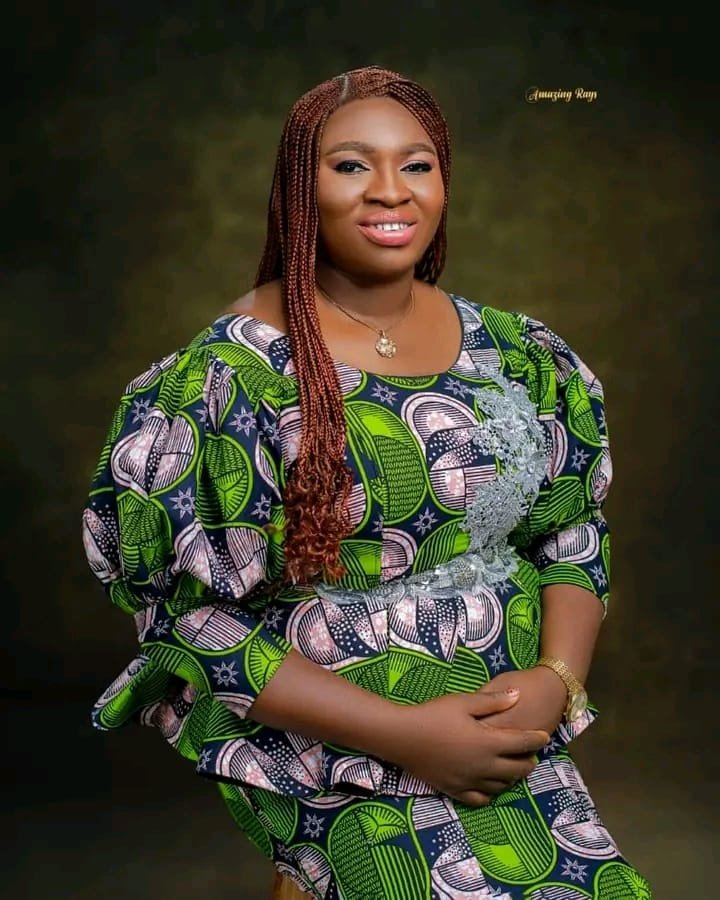
By Ojoma Akor
Deaf women in Nigeria continue to face significant barriers to accessing quality healthcare, particularly maternal and reproductive health services, due to the absence of sign language interpreters, stigma, and limited access to health information.
For many Deaf women, routine hospital visits can become difficult experiences, with communication barriers preventing them from asking questions, understanding medical advice, and making informed decisions about their health.
Hellen Anurika Beyioku-Alase, a disability rights advocate and Executive Director of Deaf Women Aloud Initiative (DWAI), a Deaf women-led organization, knows these challenges firsthand.
As a Deaf woman and mother of four, she says her experiences accessing antenatal and maternal healthcare exposed systemic gaps in Nigeria’s healthcare system, particularly the lack of qualified Nigerian Sign Language interpreters in health facilities.
In this interview, she speaks about the healthcare challenges facing Deaf women and girls, the importance of accessible communication in hospitals, and the urgent need for a more inclusive healthcare system that protects their rights, dignity, and access to quality care.
Can you share your experience accessing healthcare as a Deaf woman?
As a Deaf woman and a mother of four children, my personal experience accessing maternal healthcare, particularly antenatal care (ANC), has been very challenging.
During my pregnancies, one of the greatest difficulties I faced was the absence of sign language interpreters in healthcare facilities. This made it difficult for me to communicate with healthcare professionals, ask questions, understand medical explanations, and access important information about my pregnancy.
Beyond the communication barriers, I also experienced stigma and negative attitudes from some healthcare providers. Rather than making communication easier and helping me feel comfortable, these attitudes sometimes made accessing healthcare even more difficult.
Imagine being pregnant and attending antenatal appointments without having full access to the information you need about your health and your baby’s development. You may have questions, concerns, or symptoms you want to explain, but there is no effective communication support.
It was a difficult experience, and it made me realize how easily Deaf women can be excluded from essential maternal healthcare.
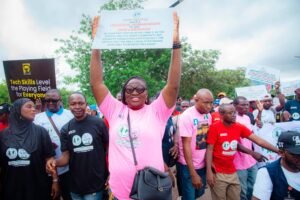
Having gone through this experience four times, I understand that the problem goes beyond an individual woman’s experience. It is a systemic issue that requires urgent attention.
These experiences have strengthened my commitment to advocating for accessible healthcare, improved attitudes among healthcare workers, and the availability of Nigerian Sign Language interpreters in health facilities.
I strongly believe that no woman should have to struggle to access information about her own pregnancy simply because she is Deaf.
My work focuses on promoting the rights, dignity, and inclusion of Deaf women and girls, particularly in sexual and reproductive health and rights, maternal healthcare, gender-based violence prevention, and access to essential services.
As a Deaf woman, I understand the realities of living in a society where communication and information are not always accessible. This has shaped my passion for advocacy and strengthened my commitment to ensuring that Deaf women and girls are not left behind in healthcare, education, and other aspects of society.
What challenges do Deaf women generally face in accessing healthcare, particularly maternal care?
Deaf women face several challenges when accessing healthcare, and maternal healthcare is particularly concerning because pregnancy and childbirth require timely information, effective communication, and informed decision-making.
One of the biggest challenges is the absence of qualified sign language interpreters in healthcare facilities. Many healthcare professionals do not understand Nigerian Sign Language, making communication difficult.
Imagine a Deaf pregnant woman attending antenatal care, experiencing complications or going into labor, but being unable to communicate her pain, understand medical instructions, or explain what she is experiencing.
Other challenges include:
- Limited access to health information: Most health information is communicated verbally, without sign language interpretation or accessible visual materials.
- Stigma and discrimination: Some healthcare providers have negative attitudes towards Deaf patients, making them feel uncomfortable, ignored, or unwelcome.
- Lack of privacy and confidentiality: Deaf women sometimes have to depend on family members to interpret sensitive medical information, compromising their privacy and confidentiality.
- Limited informed consent: Without effective communication, Deaf women may not fully understand medical procedures, treatment options, or decisions concerning their pregnancies.
- Financial barriers: Accessing private sign language interpretation can create additional financial pressure.
These barriers can affect the quality of care Deaf women receive and may put their health, safety, and dignity at risk.
How can these challenges be addressed?
Addressing these challenges requires deliberate action from government, healthcare institutions, policymakers, and development partners.
I would highlight the following measures:
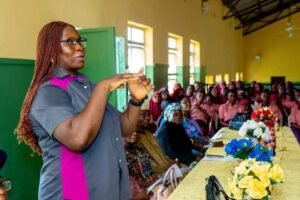
First, provide sign language interpretation in healthcare facilities. Nigerian Sign Language interpretation should be available in antenatal clinics, maternity wards, labor rooms, emergency units, and other essential healthcare services.
Second, train healthcare professionals. Healthcare workers need training on disability inclusion, Deaf awareness, basic Nigerian Sign Language, and stigma reduction. They must understand how to communicate respectfully with Deaf patients.
Third, make health information accessible. Health education materials should be available in Nigerian Sign Language videos, visual illustrations, and other accessible formats, particularly for maternal health, family planning, and reproductive health.
Fourth, strengthen policies and inclusive health budgets. Disability inclusion must be reflected in healthcare policies, planning, budgeting, and service delivery. It should not be treated as an optional intervention.
Fifth, involve Deaf women in decision-making. Deaf women should participate meaningfully in designing, implementing, and monitoring healthcare programs and policies that affect them.
At Deaf Women Aloud Initiative, we contribute through advocacy for inclusive healthcare, training healthcare workers on disability inclusion and stigma reduction, promoting basic sign language, and advocating for inclusive health budgeting.
We believe healthcare systems must move beyond simply allowing persons with disabilities into hospitals to ensuring that they can actually access and benefit from the services provided.
What should government and the public understand about Deaf women and their healthcare needs?
I want people to understand that Deaf women are not asking for special treatment. We are asking for equal rights, dignity, and access to quality healthcare.
A Deaf woman should not have to choose between her privacy and receiving healthcare. She should not have to depend on a family member to understand what is happening to her body, particularly during pregnancy and childbirth.
Maternal healthcare should be safe, respectful, and accessible to every woman, including women with disabilities.
I also want to emphasize that nothing about us should be done without us. Deaf women must be included in health decision-making, policy development, resource allocation, and program implementation.
Government, healthcare institutions, and development partners must recognize that accessibility is not an act of charity; it is a right.
I have experienced these barriers as a Deaf woman and a mother of four. I know what it means to attend antenatal care and struggle to access information because there is no sign language interpreter and because of negative attitudes from healthcare providers.
I do not want the next generation of Deaf women to experience the same challenges.
We must build a healthcare system where every woman, regardless of disability, can access information, communicate freely, make informed decisions, and receive care with dignity.
Communication is not a privilege; it is fundamental to healthcare. When communication is inaccessible, healthcare is inaccessible. No Deaf woman should be left behind in the journey to safe motherhood.