FG seeks increased investment in health promotion
By Ojoma Akor
The Federal Ministry of Health and Social Welfare has called for increased budgetary allocation for health promotion activities to raise public awareness and strengthen sustainable health programs nationwide.
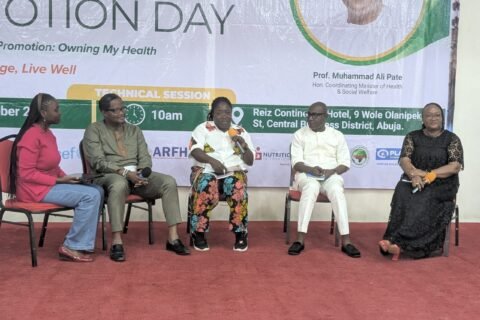
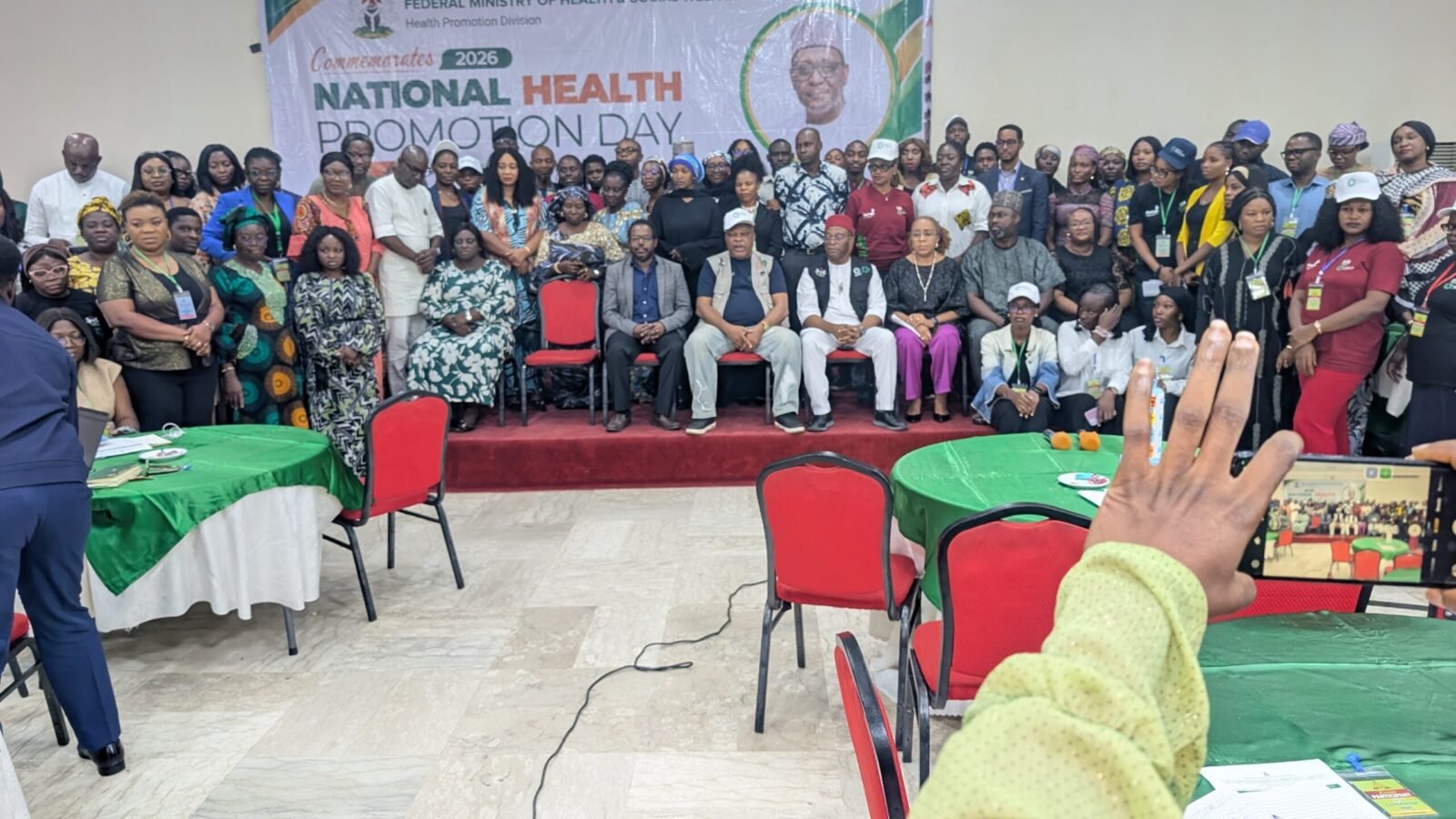
The Director of the Health Promotion Unit of the ministry, Uruokpa John, made the call Friday during a technical session of the 2026 National Health Promotion Day celebration. The theme was “Health Promotion: Owning My Health.”
He urged Nigerians to take responsibility for their health to reduce preventable illnesses and deaths.
He highlighted the need for Nigerians to know their health status through regular checks, particularly for conditions such as high blood pressure, elevated blood sugar, and high cholesterol, which may remain undetected until serious complications develop.
He said that people should not wait until they become seriously ill before seeking medical attention, stressing that early detection and timely intervention could help prevent avoidable deaths.
He said the unit often depends on partners to implement programs because of inadequate funding.
He said, “We need a strong budget; if possible, access to the two per cent budget for health promotion, we will be better off if we have an independent budget rather than relying on partners to carry out our activities.”
The director said improved funding and coordinated data collection would strengthen health promotion interventions and help establish their impact on Nigerians’ health and wellbeing.
He said the ministry was working with stakeholders to develop a globally acceptable framework for collecting and reporting health promotion data.
While saying health promotion interventions are often integrated into programs handled by other technical departments, he said it was difficult to track how many people health promotion activities reach on their own.
He explained that health promotion activities had reached millions of Nigerians through government and partners, but that inadequate data coordination remained a major challenge in measuring their overall impact.
John further said that recommendations from the technical session would guide future programs, projects and activities of government and development partners, who would prioritize their implementation.
He noted that this year’s celebration was the first time states actively participated in National Health Promotion Day, following virtual engagements with state governments and partners.
The director highlighted that the Federal Ministry of Health and Social Welfare remained the apex coordinating body for health promotion in Nigeria.
He encouraged stronger collaboration among government institutions and development partners.
Kingsley Igwebuike, Technical Officer for Health Promotion and Infodemic Management Focal Point at the World Health Organization (WHO) Nigeria office, said effective health promotion required sustained investment, community engagement, reliable information and interventions that addressed the behavioral and social factors influencing health decisions.
He said health promotion should be treated as a strategic investment rather than merely a communication activity, adding that sustainable financing was necessary to achieve lasting improvements in health outcomes.
He also outlined key priorities for the next phase of health promotion, including institutionalizing functional health promotion systems, securing domestic funding, empowering communities, integrating interventions across programs and measuring results.
Speaking during a panel titled “Effective Health Information and Capacity Building for Improved Health Outcomes,” Solomon Dogo, Program Officer, International Society of Media in Public Health (ISMPH), said there is a need not just to build the capacity of the media but also to link them with either the Nigeria Center for Disease Control and Prevention (NCDC) or other relevant public health institutions so that they can get verified and accurate information within a short time.
He said this can be done through a WhatsApp platform owned by NCDC or the Federal Ministry of Health, where questions are asked and answered immediately, rather than waiting for hours.