Nigerians urged to Prioritize Disease Prevention, healthy lifestyle
By Ojoma Akor
The Federal Government has called on Nigerians to take greater responsibility for their health through regular medical check-ups, healthy lifestyle choices, and timely access to healthcare.
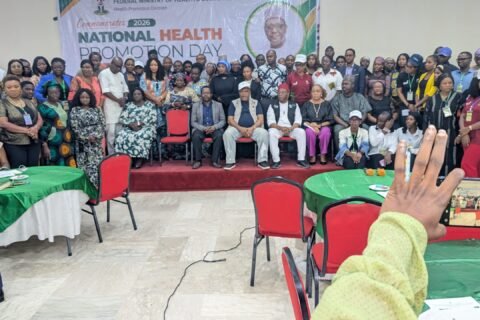
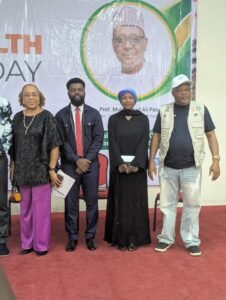
The call came from Uruokpa John, Director of the Health Promotion Unit of the Federal Ministry of Health and Social Welfare, at a technical session marking the 2026 National Health Promotion Day, themed “Health Promotion: Owning My Health.”
He stressed that individual action is critical to preventing diseases and reducing avoidable deaths.
John said individuals must move beyond seeking medical attention only when they fall ill and become more proactive in monitoring their health, particularly as several life-threatening conditions could develop without obvious symptoms.
He urged Nigerians to regularly check their blood pressure, blood sugar and cholesterol levels, noting that early detection and timely intervention could prevent complications and save lives.
According to him, taking ownership of one’s health requires making informed decisions, adopting healthier behaviors and recognizing that disease prevention begins with individual and community action.
However, he stressed that empowering citizens to take responsibility for their health requires sustained government investment in health promotion programs.
John lamented that inadequate funding had forced the Health Promotion Unit to depend largely on development partners to implement its activities, calling for increased budgetary allocation and access to the two per cent budget provision for health promotion.
“We need a strong budget; if possible, access to the two per cent budget for health promotion. We will be better off if we have an independent budget rather than relying on partners to carry out our activities,” he said.
He explained that adequate financing would enable the government to expand public awareness campaigns, strengthen community-level interventions and equip Nigerians with the information and skills needed to make healthier choices.
John also identified the absence of a coordinated system for collecting and reporting health promotion data as a major challenge, noting that although government and development partners had reached millions of Nigerians through various interventions, measuring the specific impact of these activities remained difficult.
He said the ministry was working with stakeholders to develop a globally acceptable framework for collecting and reporting health promotion data to improve accountability and guide future interventions.
According to him, health promotion activities are often embedded in programs implemented by other technical departments, making it difficult to track their reach and impact independently.
John said recommendations from the technical session would inform future government and development partner programs, projects and activities, with stakeholders expected to prioritize their implementation.
He also noted that the 2026 celebration marked the first time state governments actively participated in National Health Promotion Day, following virtual engagements with state authorities and partners.
The director reaffirmed the Federal Ministry of Health and Social Welfare’s role as Nigeria’s apex coordinating body for health promotion and called for stronger collaboration among government institutions and development partners.
Also speaking, Kingsley Igwebuike, Technical Officer for Health Promotion and Infodemic Management Focal Point at the World Health Organization (WHO) Nigeria office, said effective health promotion requires sustained investment, community engagement, access to reliable information, and interventions that address the social and behavioral factors influencing health decisions.
He described health promotion as a strategic investment rather than merely a communication activity, stressing that sustainable financing was essential to achieving lasting improvements in health outcomes.
Igwebuike outlined key priorities for strengthening health promotion in Nigeria, including institutionalizing functional health promotion systems, securing domestic financing, empowering communities, integrating interventions across health programs, and establishing mechanisms to measure results.
He stressed that individuals could make informed decisions about their health only when they had access to accurate information and an enabling environment that supported healthy behaviors.
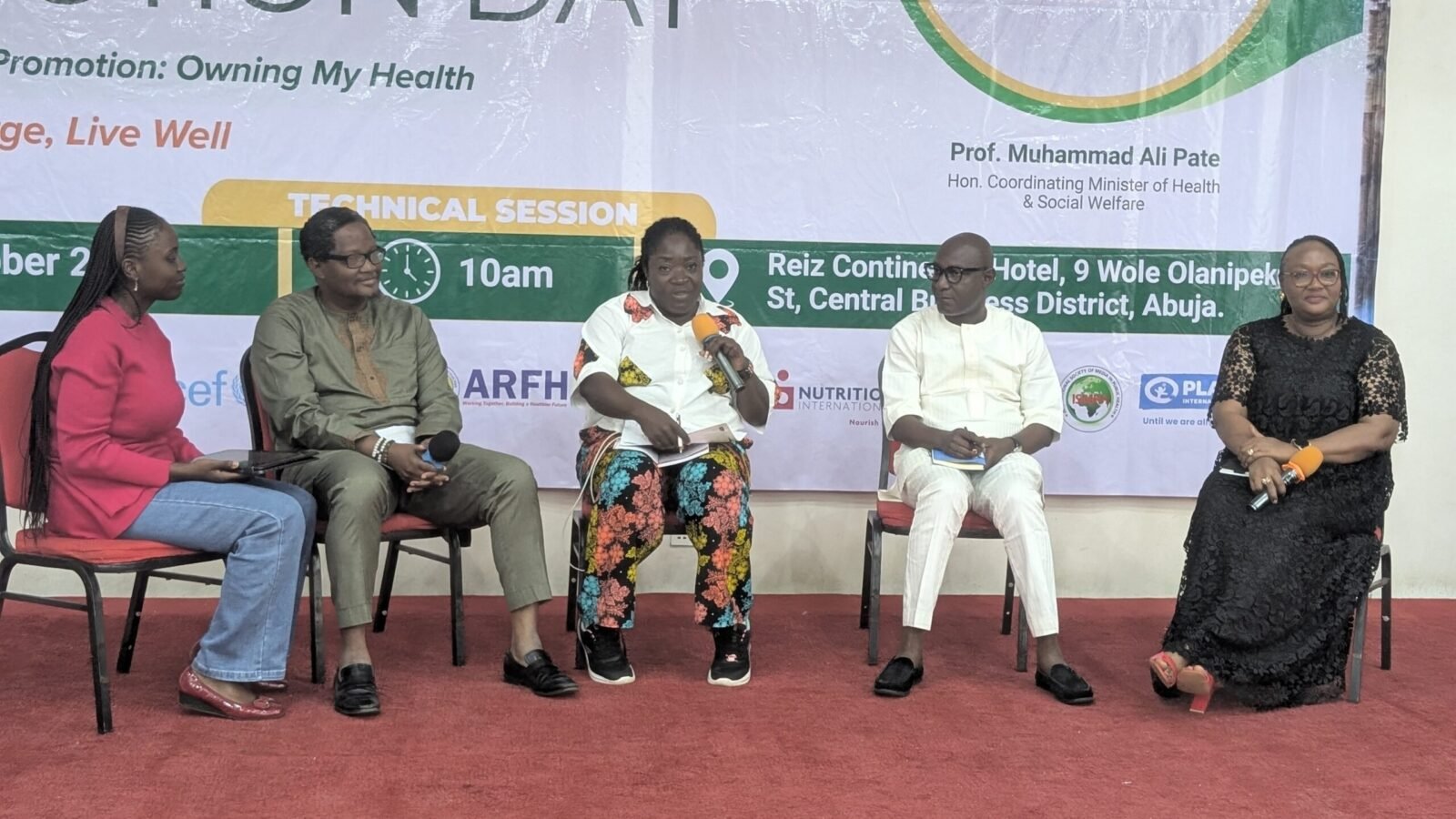
Meanwhile, stakeholders at a panel session titled “Effective Health Information and Capacity Building for Improved Health Outcomes” called for stronger collaboration between the media and public health institutions to improve access to verified health information.
Solomon Dogo, Program Officer at the International Society of Media in Public Health (ISMPH), said that beyond building journalists’ capacity to report health issues, there was a need to establish direct communication channels between the media and relevant public health institutions, including the Nigeria Center for Disease Control and Prevention (NCDC).
He said these platforms would enable journalists to obtain accurate, verified information promptly, particularly during disease outbreaks and other public health emergencies.
Dogo proposed establishing a dedicated WhatsApp platform managed by the NCDC or the Federal Ministry of Health and Social Welfare, where journalists could ask questions and receive timely responses from designated officials.
He said this would reduce delays in accessing critical public health information and help journalists report accurately.
He noted that access to timely, reliable information was essential to countering misinformation and ensuring Nigerians made informed decisions about their health.
The discussions highlighted the need for a coordinated approach that places individuals at the center of health promotion while ensuring that government institutions, communities, development partners, and the media provide the resources, information, and support needed to make healthier choices.